




Linyi Hanke Tools Co., Ltd: Your Professional Sponge Foam Trowel Manufacturer!
Linyi Hanke Tools Co, Ltd.,located in Linyi, the largest hardware city in China. This is a professional manufacturer of building decoration tools, products cover putty tools, plaster tools, paint tools, wood tools and so on.
-
![Grout Sponge Foam Float Trowel]() Grout Sponge Foam Float TrowelHigh quality wall decor tool,sand trowel tools, grout sponge foam float trowel, decorative surface rubber foam bricklaying trowels.view more
Grout Sponge Foam Float TrowelHigh quality wall decor tool,sand trowel tools, grout sponge foam float trowel, decorative surface rubber foam bricklaying trowels.view more -
![Sponge Foam Trowel with Wooden Handle]() Sponge Foam Trowel with Wooden HandleThe sponge foam trowel with a wooden handle is a versatile and ergonomic tool designed for achieving flawless finishes in construction, plastering, and DIY projects. Combining durability with ease...view more
Sponge Foam Trowel with Wooden HandleThe sponge foam trowel with a wooden handle is a versatile and ergonomic tool designed for achieving flawless finishes in construction, plastering, and DIY projects. Combining durability with ease...view more -
![Sponge Float Cement Finish Trowel]() Sponge Float Cement Finish TrowelProfessional hand tool sponge float cement finish trowel, with aluminum plate Rubber and EVA foam, masonry grout float plane for grout.view more
Sponge Float Cement Finish TrowelProfessional hand tool sponge float cement finish trowel, with aluminum plate Rubber and EVA foam, masonry grout float plane for grout.view more


Why choose us?
Professional team
The company has a professional development team, skilled workers and advanced production equipment, as well as perfect management system and strict quality control, to meet customers' high standards, high demand.
Sales market
The factory has BSCI and FSC certification, the main market of products are North America, South America, Europe, Australia and other countries and regions.
Strong competitiveness
We have great competitiveness in quality, price, delivery time and so on. We have established good cooperative relations with many world famous hardware tool supermarket chains and won the unanimous praise of customers.
High-density sponge
Durable foam material ensures even application and seamless finishing on plastered surfaces.
Lightweight plastic handle
Ergonomically designed for maximum comfort and reduced hand fatigue during extended use.
Non-slip grip
Provides enhanced control for precision work, ensuring professional results every time.
Multipurpose use
Ideal for plastering, tile work, grouting, and finishing concrete or stucco surfaces.
Easy to clean
Foam and handle are designed for quick and hassle-free cleaning, maintaining longevity and hygiene.
Impact-resistant plastic
Durable and sturdy handle can withstand the demands of tough construction tasks.

Types of Sponge Foam Trowel
Flat sponge trowels
Flat sponge floating trowel has a sponge bonded to a rectangular base. It creates a smooth, level surface over a large expanse. It is mainly used to wipe and leave an even surface on drywalls, concrete, plaster, or any other similar surface. This even surface is necessary for painting. Also, this trowel is important for achieving a smooth finish required for wallpaper or other decorative elements.
Angled sponge trowels
Angled sponge float trowel has its edges framed at an angle. This provides access to very tight spaces and corners. Its angle ensures that it wipes easily in these tight or angled areas. This is while it can also float in the rest of the surface. It is useful in bathrooms and kitchens, especially in the corners or around shower stalls or tubs.
Rounded edge sponge trowels
This trowel has rounded edges to prevent scraping and leave a rounded finish. The edges help ensure that during the float troweling process, the sponge does not graze the surface beneath. This makes them ideal for smooth finishes on curved or rounded surfaces. It also helps prevent scrapes and marks on the surface. This makes them ideal for rounding in corners and at curved columns, too.
V-notch sponge trowels
These ones have a V-notch pattern on their surface. Their role is to lay down just the right amount of material and supply grooves for very thin applications. It works correctly for installations of thin materials. Some of the materials that V-SPONGE float trowels can carry include tiles, wall coverings, and stucco. It also leaves a uniform layer of material over the surface.
Saddle sponge trowels
This trowel can hold enough of the finishing material between its edges. It also has a saddle-style notched edge that delivers a thin, even coating. The saddle shape helps spread material to prime surfaces for tile installation. It also assists in providing finish coatings on walls and ceilings. These trowels are widely used in drywall finisher tools for housing and commercial projects.
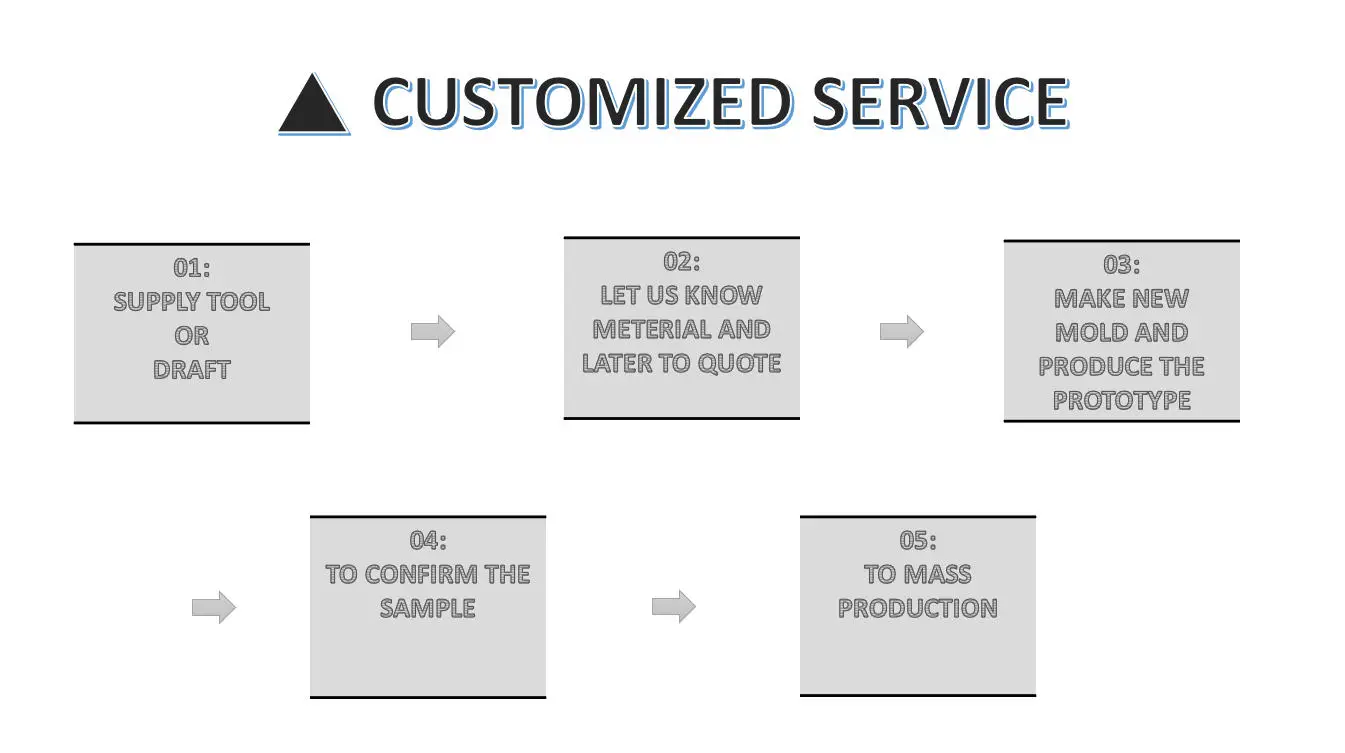
Customized Service
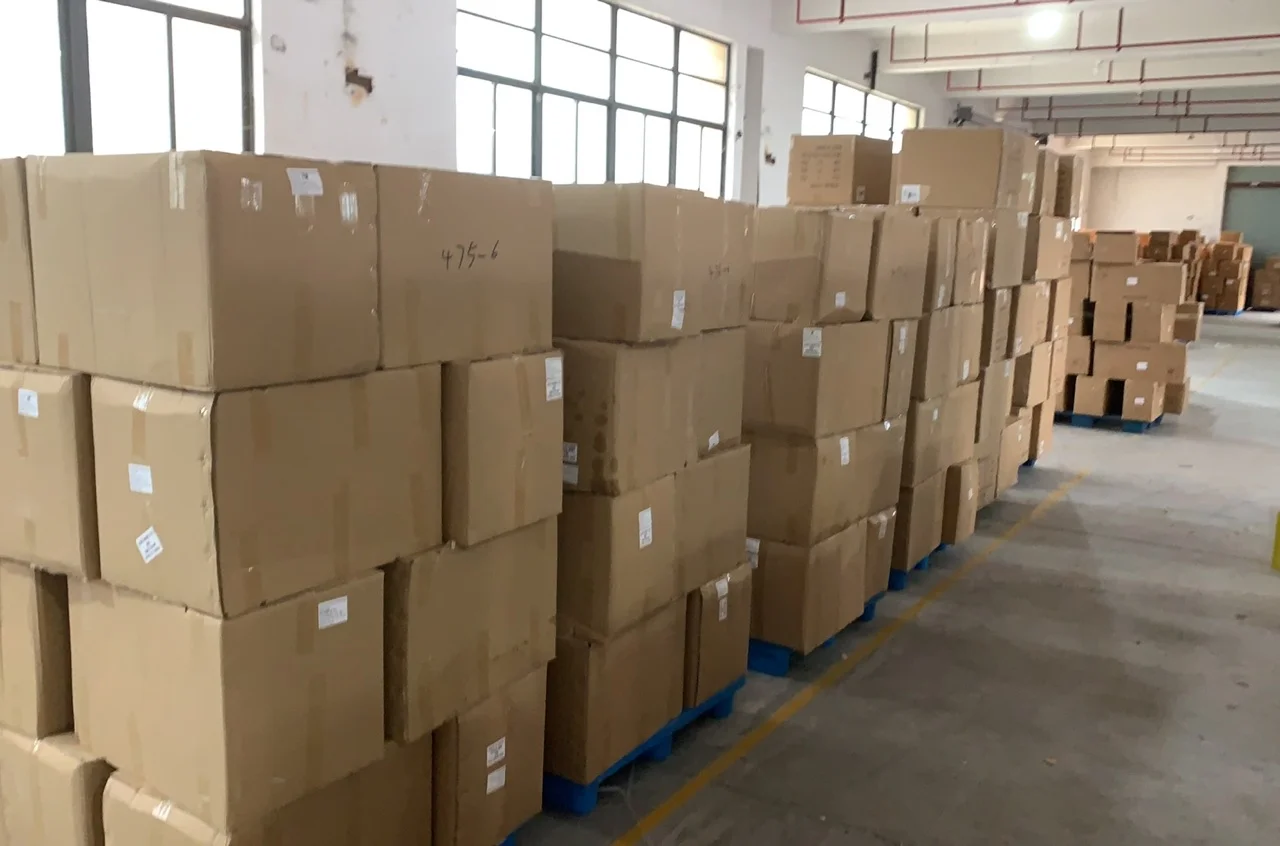
Packaging and Shipping

Certifications


FAQ
As one of the leading sponge foam trowel manufacturers in China, we warmly welcome you to wholesale cheap sponge foam trowel from our factory. All custom made tools are with high quality and competitive price. Contact us for more details.


