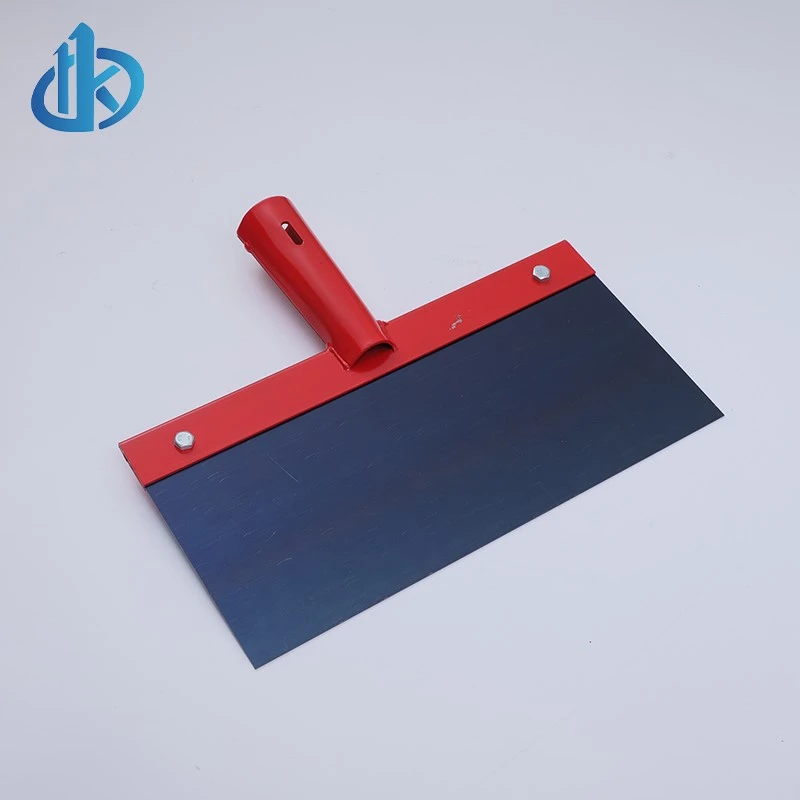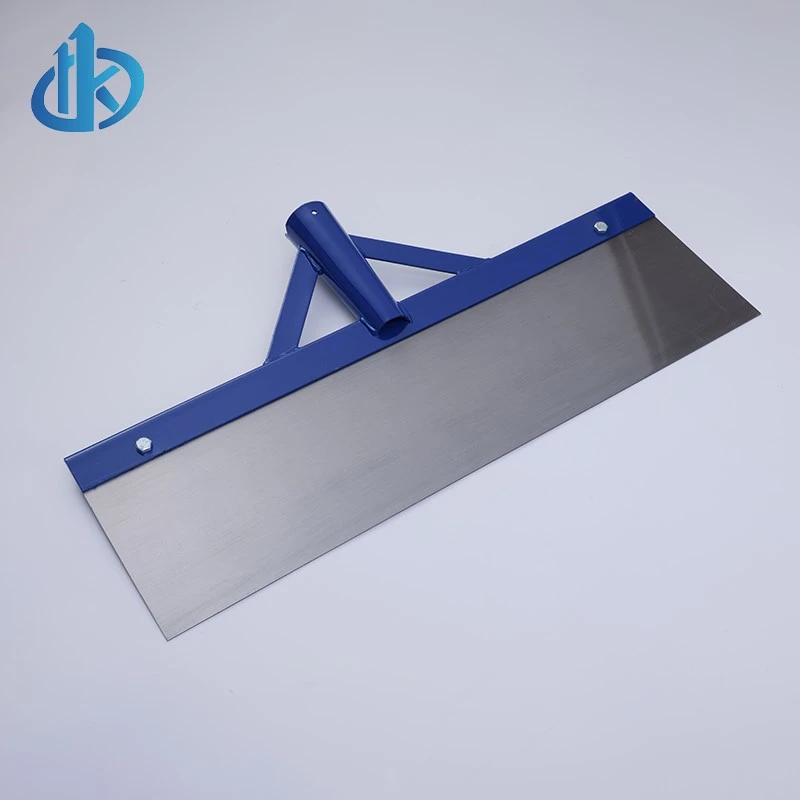


Choosing between an 18-inch and 12-inch floor scraper is like picking between a large and medium pizza-both satisfy, but one's better for feeding a crowd. Let's break down when to size up (or down).
18-inch scrapers are the efficiency kings. Their wide blades cover 50% more ground than 12-inch models, which is a game-changer for big rooms-think warehouses, basements, or open-concept living spaces. Imagine scraping a 20x20 foot floor: an 18-inch blade will finish in 300 passes, while a 12-inch needs 450. That's an extra hour of work with the smaller size. They're also great for final passes on glue or mortar, where a wide blade blends edges into the subfloor, leaving a smoother finish. But here's the catch: 18-inch blades are heavy. A manual 18-inch scraper weighs 3–4 pounds more than a 12-inch, which adds up over hours of scraping. And they're clumsy in tight spots-try navigating a 3-foot wide hallway with an 18-inch blade, and you'll feel like you're herding a sheep.
12-inch scrapers are the all-rounders. Their narrower profile makes them easy to maneuver around toilets, cabinets, or columns-places where an 18-inch blade would bash into walls. They're lighter too, so your arms won't turn to jelly after a morning of work. "I reach for my 12-inch 90% of the time," says Mark, a DIYer who's renovated three homes. "It's small enough for bathrooms but still covers enough to handle my living room." They're also cheaper-10–15 less than 18-inch models-and easier to store in a closet or toolbox. The downside? On large floors, you'll spend more time backtracking to cover missed spots, and the narrow blade can leave "track marks" in thick glue if you're not careful.
The rule of thumb: 18-inch for open, large areas where speed matters; 12-inch for small spaces, tight corners, or when you need more control. If you're tackling a mix, rent the 18-inch for the main room and buy a 12-inch for the edges-it's the best of both worlds.