



Are plastic or steel putty knives better?
In wall repair and joint filling, the debate over whether plastic or steel putty knives are better has long been a common topic. Recently, search interest around this question has been increasing in the construction materials sector, drawing the attention of both professionals and DIY users.
Plastic putty knives are lightweight, affordable, and suitable for small patch jobs where tool performance demands are not high. Their advantages include flexibility, easy cleaning, and a reduced risk of scratching delicate surfaces. However, plastic blades are prone to wear and deformation during heavy-duty or prolonged use.
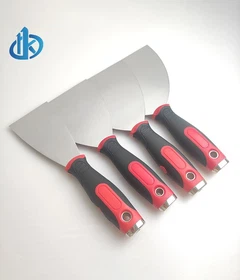
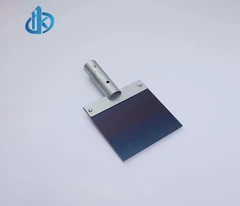
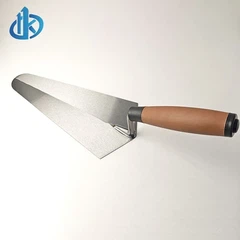
Steel putty knives, on the other hand, are better suited for professional applications. With their higher blade hardness, they provide smoother finishes and handle larger-scale filling jobs with ease. High-carbon and stainless steel blades, in particular, offer durability and rust resistance, making them the preferred choice among construction teams.

Industry experts note that the decision depends largely on the application. For small home repairs, plastic tools are sufficient, while for commercial renovations and large-scale projects, steel knives are undoubtedly more reliable.
With over 30 years of experience, Hanke Tools offers both plastic and steel putty knives to meet varying market demands. A company representative emphasized that each design takes into account user habits and worksite conditions, ensuring practicality and durability.
As global demand for quality construction tools rises, choosing between plastic and steel putty knives is no longer a strict either-or decision. Instead, users are expected to select tools based on specific needs, improving both efficiency and end results.


