
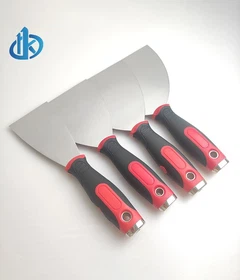
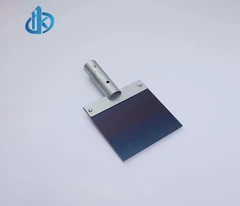

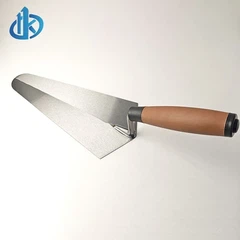

Let me cut to the chase-Can a carbon steel putty knife be used on drywall repairs? Absolutely yes! In fact, it's one of my go-to tools for fixing up drywall. I remember the first time I had to patch a hole in my bedroom wall (thanks to a rogue door handle), I hesitated to use my carbon steel knife 'cause I thought it might be too tough for the delicate drywall. But turns out, it's the exact opposite-it's gentle enough to not mess up the drywall, but sturdy enough to get the job done right.
First off, let's talk about filling small cracks or nail holes-those tiny fixes that seem easy but can look messy if you use the wrong tool. Carbon steel's blade has just the right amount of flex, which is perfect for spreading spackle or joint compound on drywall. When you're dabbing a little spackle into a nail hole, you don't want a blade that's too stiff-'cause it'll either push too hard and make the hole bigger, or leave a clumpy mess. But a carbon steel knife? It glides over the drywall, letting you smooth the spackle into the hole without pressing too hard. I fixed a bunch of nail holes in my living room last month, and with the carbon steel knife, each one looked seamless after sanding. You couldn't even tell there was a hole there once I painted over it.
Now, for bigger jobs-like patching a small hole (think the size of a fist) or fixing a cracked seam. Here's where carbon steel really shines. You need to spread the joint compound evenly over the patch or tape, and the blade's sharp edge helps you get a thin, smooth layer. If you use a dull or flimsy tool, the compound can bunch up, and you'll end up sanding for hours to get it flat. But with a carbon steel knife? I spread the compound in one smooth pass, and since the blade holds its edge, it doesn't drag or leave ridges. I even used it to fix a cracked drywall seam in my bathroom-after taping the seam, I ran the carbon steel knife over the compound, and it came out so flat that sanding was a breeze.
But wait, is there any catch? Yeah, just one-you gotta be careful with moisture. Drywall repairs usually involve wet joint compound or spackle, and we all know carbon steel hates moisture (hello, rust!). So here's what I do: As soon as I'm done spreading the compound, I wipe the blade down with a dry rag right away. If there's caked-on compound, I dampen a rag with a little water to wipe it off, but then I follow up with a dry rag to make sure every bit of moisture is gone. I once forgot to dry it after a repair, and by the next day, there was a tiny rust spot on the blade-luckily, I caught it early and cleaned it off with steel wool, but it was a reminder to stay on top of drying.
Another thing I love? Carbon steel knives come in different sizes, which is perfect for drywall. For small nail holes, I use a 1-inch carbon steel knife-easy to maneuver in tight spots. For bigger patches or seams, I grab a 3-inch one-it covers more area without being too bulky. Stainless steel knives work too, but they're stiffer, so I find it harder to get that smooth, even layer on drywall. Carbon steel's flex just fits the bill better.
I've talked to a few DIY friends who swear by plastic putty knives for drywall, but honestly? They're too flimsy. I've had plastic knives bend or even break when I'm spreading thick compound. Carbon steel? It's tough enough to handle the compound without bending, but flexible enough to not damage the drywall. It's the sweet spot between strength and gentleness.
So if you're tackling drywall repairs-whether it's a tiny nail hole or a bigger patch-don't hesitate to grab your carbon steel putty knife. Just remember to dry it off after use, and it'll help you get a professional-looking finish every time. I've used mine for countless drywall jobs, and it's never let me down. Trust me, once you try it, you'll wonder how you ever fixed drywall without it.


