


Spoiler: Yes, you absolutely can remove flooring yourself-no need to call in the pros with their fancy trucks and tool belts. Removing flooring is like solving a big, satisfying puzzle, and you've got all the pieces you need to put it together (or take it apart, in this case).
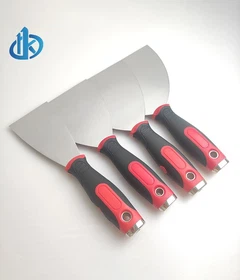
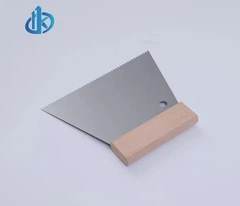
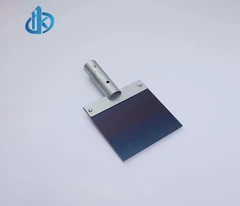
Let's start with vinyl or linoleum. Grab a utility knife and score along the seams-this breaks the seal, making it easier to lift. Then, take a floor scraper and wedge it under a corner. Give it a gentle push, and you'll hear that satisfying "pop" as it starts to come loose. Work your way along, using the scraper to separate the flooring from the adhesive. If it's being stubborn, a heat gun on low will soften the glue, making the scraper's job a breeze.
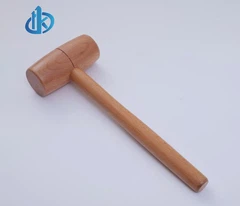
For hardwood floors, the process is a bit different. Start by prying up a board near the wall-use a pry bar and a hammer, tapping gently to avoid splintering. Once you've got one board up, the rest usually follow, thanks to the tongue-and-groove design. If they're nailed down tightly, a floor scraper can help loosen the nails, but go slow-you don't want to damage the subfloor underneath.
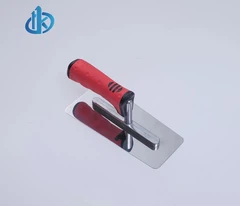
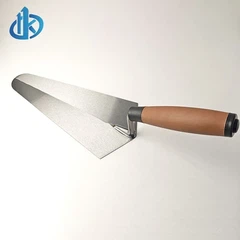
Tile floors are a bit trickier, but still doable. Start by tapping a chisel into the grout line between tiles to break them loose, then use the scraper to lift the tiles once they're 松动 (loose). The adhesive underneath might take some extra work, but a sharp scraper and patience will get it done.
Yes, it's dusty. Yes, your arms will feel it the next day. But there's an unbeatable thrill in standing back when you're done, looking at that bare subfloor, and thinking, "I did that." You don't need to be a DIY expert-just a little courage, the right tools, and a willingness to take it step by step. Removing flooring yourself isn't just about saving money; it's about proving to yourself that you're capable of big things.


