


Oh, totally-plastic scrapers are actually one of the best tools for ceramic cooktops! Let me tell you why, 'cause ceramic cooktops are tricky-they scratch super easily, but they also get those tough, burnt-on food spots that are impossible to wipe off with a sponge.
First, ceramic cooktops have a smooth, glass-like surface that's so easy to scratch with metal tools. Even a tiny metal spatula can leave a mark, and once you have scratches, they're there forever. But plastic scrapers? They're soft enough that they won't scratch the ceramic-no more panicking about ruining your cooktop.
I use mine all the time when I accidentally burn something on the cooktop. Last week, I left a pot of pasta boiling too long, and the water evaporated, leaving a crusty, black mess on the ceramic. I let the cooktop cool down (super important-never scrape a hot cooktop!), then grabbed my plastic scraper. Gently pressed it against the burnt spot, and slowly scraped-all that gunk came off in seconds, no scratches, no scrubbing until my arm hurt.
But here's a couple of tips you gotta follow. First, let the cooktop cool completely. If you scrape a hot ceramic cooktop with a plastic scraper, the heat can melt the plastic, and then you'll have a whole new mess (trust me, I've seen it happen to a friend!). Second, use a cooktop-specific plastic scraper if you can-they're usually designed with a slightly stiffer edge that's good for tough spots but still gentle on ceramic. Regular plastic scrapers work too, but cooktop ones are made to fit the curves of the cooktop better.
Also, don't press too hard! You don't need to muscle it-let the scraper do the work. If a spot is really tough, you can spray a little cooktop cleaner first, let it sit for a minute to soften the gunk, then scrape.
So yeah, plastic scrapers are safe and effective for ceramic cooktops. They're my go-to tool for keeping mine looking shiny and scratch-free-no more stressing about those burnt-on spots!
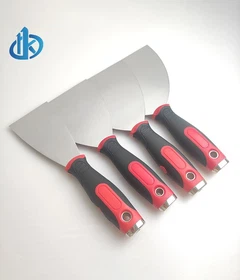
plastic scraper from hanke tools


