
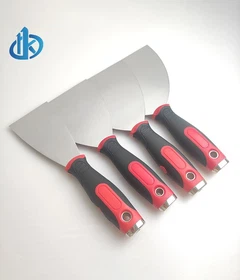
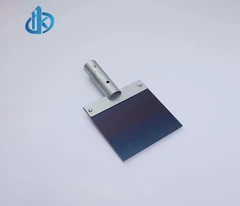

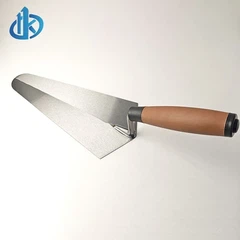

You can use a putty scraper for car body filler, but you gotta be picky about the scraper-and know when to switch to a better tool. Let me break it down, since I helped my brother fix a dent in his car last year. First, car body filler (also called bondo) is thick, sticky stuff-you need a scraper that can spread it smoothly without leaving lumps. A flexible metal putty scraper (4 to 6 inches) works for small jobs, like filling a tiny dent or a scratch. I used a 4-inch flexible stainless steel scraper to fill a small dent in my brother's bumper-it spread the filler evenly, and the flexibility let me smooth it to match the bumper's curve.
But here's the catch: for bigger jobs (like a large dent or rebuilding a panel), a putty scraper isn't the best. Body filler needs to be spread super flat and smooth to avoid sanding for hours later. Professional body shops use "body filler spreaders"-they're thinner, more flexible, and have a smoother blade than regular putty scrapers. We tried using a regular rigid putty scraper on a bigger dent first-left lumps that took forever to sand down. Switched to a body filler spreader, and it was way easier.
Another thing to watch: the blade's smoothness. Regular putty scrapers sometimes have tiny blemishes on the blade (from manufacturing) that can leave lines in the body filler. If you're using a putty scraper, make sure the blade is clean and smooth-wipe it with mineral spirits before use. And don't use a plastic putty scraper-body filler sticks to plastic like glue, and you'll end up with a messy, uneven finish.
So when can you use a putty scraper? For small, simple jobs-touch-ups, tiny dents, or filling screw holes. For anything bigger or more precise, grab a body filler spreader (they're only \(5 to \)10 at auto parts stores). My brother and I finished his car's dent with a mix of a putty scraper for the small spots and a spreader for the big area-turned out great, and we didn't have to sand for hours. Just know the limits of your tools, and you'll be fine!


