


Do I need a notched trowel for tile--Insights from a Chinese source factory and professional hand tool manufacturer
In tile installation, workers often ask: Do I need a notched trowel for tile? Industry experts widely agree that whether or not to use a notched trowel directly affects bonding quality, efficiency, and the overall finish, making it a key issue during construction.
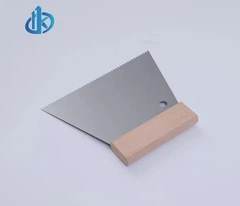
Construction specialists explain that notched trowels ensure adhesive spreads evenly across the tile surface, preventing hollow spots or detachment. Compared to flat trowels, notched edges help control adhesive usage while improving bond strength. This is especially critical for large-format tiles, where notched trowels have become the standard.
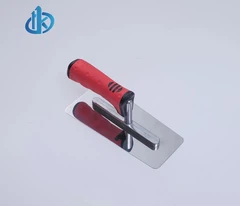
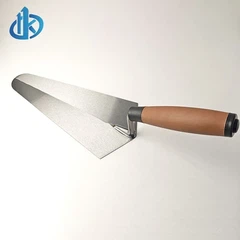
At Linyi Hanke Tools Co., Ltd., design improvements are made based on feedback from Europe and the Americas. With stainless steel blades for corrosion resistance and ergonomic wood or plastic handles, these trowels provide comfort during extended use and have gained recognition in international markets.

Market research shows that beginners often overlook trowel selection, leading to uneven tile installation or later detachment. Experienced professionals emphasize the importance of matching the trowel type to tile size and site conditions, which aligns with evolving industry standards.
Therefore, when addressing the question Do I need a notched trowel for tile, the answer is clear: yes. The right notched trowel ensures durability, improves aesthetics, and is essential for both professional contractors and DIY users.
As a Chinese professional hand tool manufacturer, Hanke Tools has spent three decades focusing on quality and innovation. By specializing in the production of trowels and related tools, Hanke continues to provide reliable, efficient products that support higher construction standards worldwide.