




Does a Wood Hammer have recoil? - Understanding Its Impact Behavior
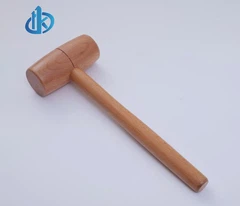
When discussing striking tools, recoil is a common concern - especially for users prioritizing control and comfort. In contrast to steel hammers, a wooden mallet is designed to minimize rebound. This is largely thanks to the properties of the material and the nature of its usage.
Crafted from dense hardwoods like beech or maple, a wooden mallet naturally absorbs part of the impact energy during striking. This dampening effect significantly reduces hand fatigue and recoil.
Moreover, wooden mallets are typically used in controlled tasks - such as pairing with chisels or fitting joinery - where the striking force is moderate and precise. This "soft force transfer" ensures smoother operation and less disruptive vibration.

Linyi Hanke Tools Co., Ltd., with nearly 30 years of expertise in manufacturing construction hardware, offers a range of wooden mallets that are carefully shaped from solid wood for excellent structural integrity.
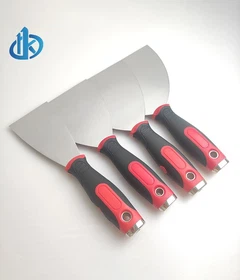
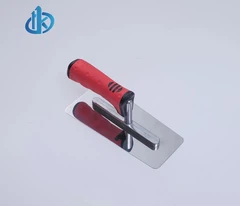
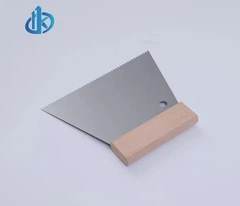
Hanke's mallets are engineered for optimal weight balance, reduced shock, and a comfortable grip. The company also produces putty knives, scrapers, plastering trowels, and a wide array of wood-based tools trusted by professionals worldwide.
While all hammers may exhibit slight vibration under extreme force, wooden mallets stand out for their low recoil and high control, making them the go-to tool for craftspeople who value precision and touch.


