
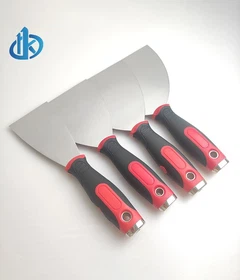
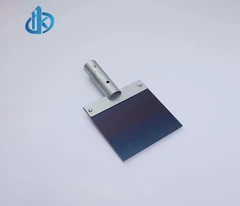

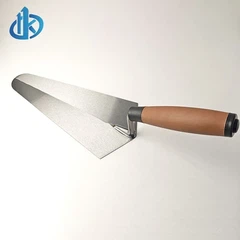

Using a scraper putty knife on walls is easier than you think-just follow these steps, and you'll have smooth (or paint-free!) walls in no time. Let's start with the most common job: patching holes or cracks (that's where the "putty" part shines).
First, prep the wall. Wipe the area with a damp cloth to get rid of dust or dirt-you don't want gunk messing up your putty. If the hole is bigger than a nail hole, you might need a small piece of drywall tape to cover it first-keeps the putty from sinking in.
Then, grab your spackle or wall putty. Squeeze a little onto the blade-start with less than you think, you can add more later. Hold the putty knife at a 45-degree angle to the wall, and gently spread the putty over the hole. Push just hard enough to fill the hole, not so hard that you smush putty everywhere.
Next, smooth it out: drag the blade across the surface in one even stroke-like painting a tiny line, but with putty. The goal is to make the putty flush with the wall, no bump. Let it dry (check the putty's instructions-usually 1-2 hours), then lightly sand it with fine-grit sandpaper to get rid of rough edges. Wipe off the dust, and boom-your wall looks new!
Now, if you're using the tool to remove paint or wallpaper residue? Process is a little different. First, protect your floors and furniture-lay down a drop cloth or old sheets, because paint chips will fly!
For removing paint: start by checking if it's loose. If it's peeling, hold the knife at a 30-degree angle and gently scrape the loose paint off. If it's tight, spray the area with paint stripper (follow safety instructions!) and let it sit 10-15 minutes to soften the paint. Then scrape slowly-don't rush, or you'll gouge the drywall.
For wallpaper residue (that sticky stuff left after the paper comes off): mix warm water and a little dish soap in a spray bottle, spritz the wall, and let it soak 5 minutes. Then use the putty knife to scrape off the gunk-start at the top and work down, so water doesn't drip in your eyes.
Quick tip: use a 3-inch blade for big wall areas (covers more ground) and a 1-inch blade for corners or around outlets (don't scratch the covers!). Also, be gentle with drywall-it's soft! I once scraped too hard and made a dent in my bedroom wall-had to stop, patch it, and start over. Take your time.
And clean your tool when you're done-wipe the blade with a damp cloth to get rid of putty or paint, so it's ready next time. See? It's just prep, angle, and a little patience-and your wall looks pro-done.


