

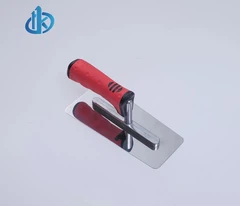
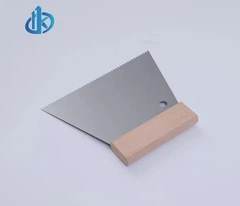

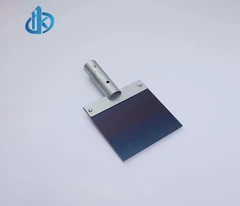



Skimming is the makeup of the wall world-light, fresh, and all about that flawless finish. But how many layers does it take to hide imperfections and leave a surface so smooth you'll want to touch it? Spoiler: usually two, but let's get into the details.
First coat: the "base skim." This is the understudy, working hard to cover the wall's flaws-tiny cracks, uneven patches, or the rough texture of old plaster. It's thin, maybe 2-3mm thick, and goes on quickly. Think of it as applying a primer before foundation; it preps the canvas. Let it dry until it's no longer shiny-usually a couple of hours.
Then comes the final skim, the star of the show. This layer is even thinner, feathered out to blend seamlessly. It's here that you smooth out any lines from the first coat, turning the wall into a blank page. Work fast-this one dries quicker, and you want to trowel it to a glass-like finish before it sets.
Rarely do you need a third coat, unless the wall's really misbehaved-like a toddler with crayons. Two coats are the sweet spot: enough to hide the past, but not so much that it feels heavy. And when it's dry? Your wall will glow, ready for paint or wallpaper to take the spotlight.


