







How many times should you trowel plaster? - Understanding plastering frequency
[Linyi News] Recently, the question "How many times should you trowel plaster?" has become a trending topic in the overseas construction and renovation sectors. Proper plastering frequency not only affects work efficiency but also directly influences wall smoothness and overall appearance.
Plastering typically involves three stages: base coat, intermediate coat, and finish coat. Experts recommend at least one to two troweling passes per layer to ensure the material spreads evenly, compacts properly, and achieves a flat surface. Too few passes may cause hollows, cracks, or uneven surfaces, while excessive troweling can damage partially dried layers and extend the project timeline.
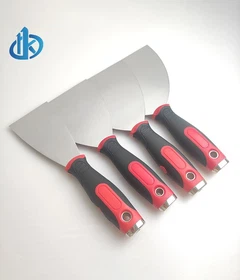
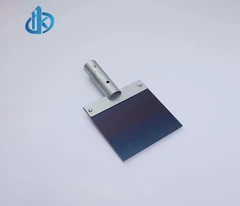
Linyi Hanke Tools Co., Ltd. has over 20 years of experience in plastering tool design. Their trowels feature precision steel blades and ergonomic handles, ensuring smooth surfaces while providing comfortable grip during extended work. High-quality tools like these help workers maintain consistent pressure for each pass, improving quality and efficiency.

The number of troweling passes varies with materials. Standard cement mortar usually requires at least two passes, while lightweight plaster or decorative putty may need three or more to achieve a fine, smooth finish. Professional teams often adjust troweling frequency based on setting time and ambient humidity.
Market analysis shows that with the rise of high-end housing, public facilities, and renovation projects, the demand for precise plastering tools and techniques continues to grow. Hanke Tools offers trowels in multiple specifications and provides tailored recommendations for varying plaster thicknesses and work areas to meet global client needs.
In conclusion, controlling the number of plastering passes is key to construction quality. Workers should plan troweling frequency according to material properties, environmental conditions, and tool performance to enhance efficiency, ensure smooth finishes, and prolong trowel lifespan.


