
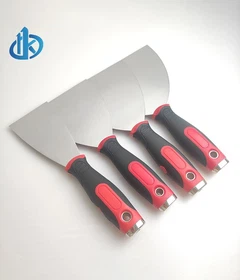




There's nothing more frustrating than spending hours carefully plastering a wall, only to step back and see a bunch of ugly marks all over it. I've been there, and it's like a punch in the gut. But over time, I've learned a few tricks to avoid those marks and get a smooth, flawless finish.
The number one thing is to keep your trowel clean. Seriously, this is the golden rule. If there's even a tiny bit of dry plaster stuck to the blade, it's going to leave a mark every time you pass the trowel over the wet plaster. I make it a habit to wipe the blade with a damp rag every 5 to 10 minutes, even if it looks clean. I once made the mistake of skipping this step, and I didn't notice a small piece of dry plaster on the blade. By the time I finished the wall, there were these annoying little lines all over it. It was so disappointing. And don't forget to clean the trowel right after you're done plastering. Dry plaster is the enemy of a smooth finish.
Using the right angle is also crucial. We've talked about this before, but it bears repeating. Hold the trowel at a 15 to 20 - degree angle to the wall. If it's too flat, the blade will drag and leave streaks. If it's too steep, you'll end up scraping the plaster and creating lines. Before you start plastering, take a minute to practice the angle. Just hold the trowel against the wall without any plaster on it and get a feel for the right angle. I used to practice this while watching TV, and it really helped me get the hang of it.
Another thing is to not overwork the plaster. Wet plaster dries pretty quickly, and every time you go over the same spot, you're increasing the chances of leaving a mark. Make one or two passes with the trowel to spread the plaster evenly, and then move on. If you see a small imperfection, it's usually better to leave it for now. You can always come back and fix it with a quick pass later when the plaster is a little drier. I used to be a bit of a perfectionist and would go over spots five or six times, but each pass just made the marks worse.
Loading the trowel correctly is important too. If you put too much plaster on the trowel, it'll be heavy and you'll end up leaving blobs. If you don't put enough, you'll have to make too many passes, which can also lead to marks. Aim for a quarter - inch layer of plaster on the blade. Just enough to cover a small section. And before you start spreading, tap the blade on the edge of the bucket to get rid of any excess plaster.
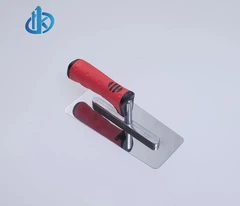
Using a finishing trowel for the final passes can also make a big difference. After you've spread the plaster with your regular plastering trowel, switch to a finishing trowel. Finishing trowels have thinner, more flexible blades that glide over the plaster without leaving marks. I usually skip this for really small jobs, but for big walls, it's a game - changer.
Finally, keep your hands steady. Shaky hands are a surefire way to get uneven passes and marks. If your arm starts to get tired, take a two - minute break. I used to try and power through jobs, but my shaky hands always ended up ruining the finish. Taking breaks helps keep your hands steady and your plastering looking professional.
Follow these tips, and you'll be well on your way to getting a smooth, mark - free wall every time. It might take a little practice, but it's definitely worth it.


