
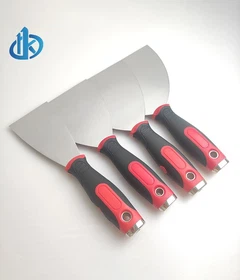
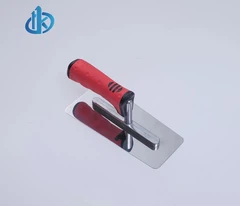
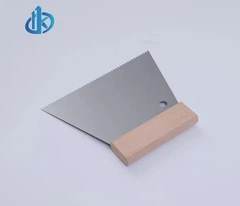
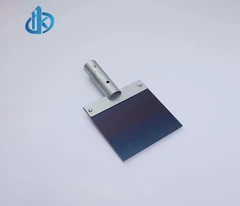

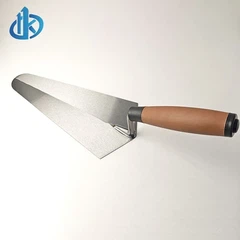

Selecting the right drywall knife is crucial for achieving a professional - quality finish in any drywall project. Whether you're a seasoned contractor or a DIY enthusiast taking on a home renovation, the following factors should be considered when making your choice.
Blade Material
The blade is the most important part of a drywall knife. Blades are typically made of stainless steel or carbon steel. Stainless - steel blades are highly resistant to rust and corrosion, which is especially important when working with water - based joint compounds. They also tend to hold their edge well, meaning they can be used for longer periods without frequent sharpening. Carbon - steel blades, on the other hand, are often more flexible. This flexibility can be an advantage when applying joint compound in hard - to - reach areas or when working with uneven surfaces, as the blade can conform better. However, carbon - steel blades are more prone to rust, so proper maintenance is required.
Blade Size
Drywall knives come in a variety of sizes, ranging from small 4 - inch blades to large 12 - inch or even wider ones. A 4 - inch knife is ideal for detailed work, such as patching small holes or cracks in the drywall. It allows for precise application of joint compound in tight spaces. For general joint - compound application and taping seams between drywall panels, a 6 - to 8 - inch knife is a good all - around choice. It provides enough coverage to work efficiently while still allowing for some control. Larger 10 - to 12 - inch knives are mainly used for the final smoothing and leveling of the joint compound over large areas. They can quickly create a smooth, flat surface, but they require more skill to use effectively.
Handle Comfort
Since drywall work often involves extended periods of use, the handle of the knife should be comfortable to hold. Look for a handle that has a non - slip grip, which will prevent the knife from slipping out of your hand, especially when the blade is covered in joint compound. Ergonomic handles are designed to fit the shape of your hand, reducing fatigue during long - term use. Some handles are made of rubber or other soft materials that provide a more comfortable grip, while others have a textured surface for better traction.
Flexibility
The flexibility of the blade can vary depending on the type of work you'll be doing. For tasks like applying a thick layer of joint compound or working on curved surfaces, a more flexible blade is better. It can conform to the shape of the surface and distribute the compound evenly. However, for tasks that require a very smooth and flat finish, such as the final sanding and leveling, a stiffer blade may be more suitable as it provides more control and helps to create a consistent surface.
In conclusion, choosing the right drywall knife depends on the specific requirements of your project. By considering factors such as blade material, size, handle comfort, and flexibility, you can select a knife that will make your drywall work easier and result in a better - looking finish.


