
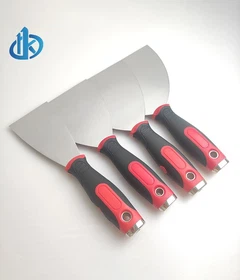
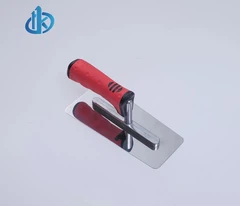
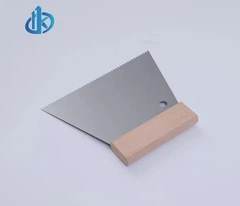


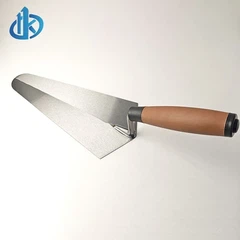

Choosing a high-quality putty knife is crucial for ensuring smooth finishing in various DIY or professional projects. Here are key factors to consider.
First, material matters. The blade should be made of durable stainless steel or carbon steel to resist rust and bending. Stainless steel blades are ideal for general use, while carbon steel offers extra flexibility for precise applications. Avoid cheap plastic or low-grade metal blades, as they tend to warp or break easily.
Next, check the handle construction. A comfortable, non-slip handle is essential for prolonged use. Handles made of wood, rubber, or ergonomic plastic provide better grip and reduce hand fatigue. Ensure the handle is securely attached to the blade-riveted or welded connections are more durable than glued ones.
Consider the blade flexibility based on your needs. A stiffer blade works well for applying thick materials, while a flexible blade is better for smoothing and feathering thin layers. The blade's edge should be evenly ground and free of burrs to prevent uneven application.
Lastly, choose the right size and shape. Common widths range from 1 to 6 inches; smaller blades are suitable for detailed work, while larger ones speed up bulk applications. A rounded or pointed tip can help reach tight corners. Investing in a reputable brand often guarantees better craftsmanship and longevity, saving you money in the long run.


