
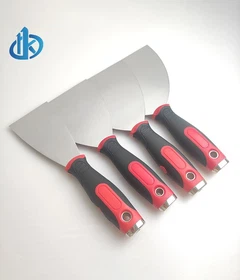
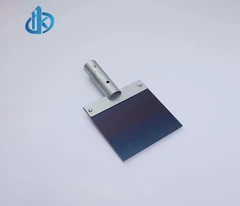

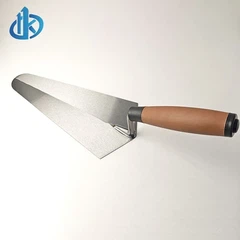

Selecting a high - quality putty knife is crucial for achieving smooth and professional results in various DIY and home improvement projects. Here are some key factors to consider when making your choice.
Blade Material
The blade is the most important part of a putty knife. Look for knives with blades made from durable materials. Stainless steel is an excellent option as it resists rust and corrosion, ensuring a long - lasting tool. Carbon steel blades can also be sharp and sturdy, but they require more maintenance to prevent rusting. High - carbon steel, in particular, can hold an edge well, which is essential for scraping and cutting through tough materials like dried putty or old paint.
Blade Thickness and Flexibility
The thickness of the blade affects its performance. For general putty application and light scraping tasks, a thinner, more flexible blade is ideal. It allows for easy spreading of putty in a smooth and even layer. However, when dealing with stubborn materials such as thick layers of dried adhesive or rough surface preparation, a thicker, more rigid blade is necessary. It provides the strength needed to tackle these tougher jobs without bending or breaking.
Handle Design
A comfortable handle is essential for extended use. The handle should be ergonomically designed to fit your hand snugly, reducing fatigue during operation. Materials like rubber or plastic with a textured grip are great as they offer a secure hold, even when your hands are dirty or greasy. Additionally, the handle should be firmly attached to the blade. A loose handle can be dangerous and make the tool ineffective.
Size and Shape
Putty knives come in various sizes and shapes. For small, detailed work such as filling tiny cracks or working in tight corners, a smaller - sized knife with a narrow blade is more suitable. Larger blades are better for covering larger areas quickly, like when applying putty to a large section of drywall. Consider the shape of the blade as well; a straight - edged blade is versatile for most tasks, while a curved blade might be useful for working on rounded surfaces.
By carefully evaluating these aspects - blade material, thickness, handle design, and size - you can choose a putty knife that meets your specific needs and will serve you well in all your putty - related projects.


