
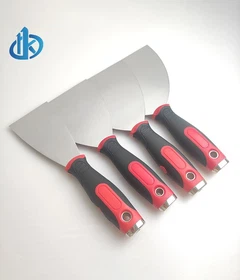
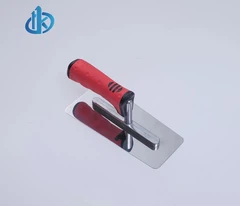
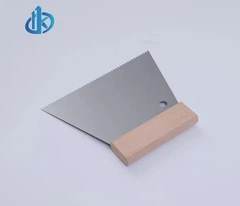
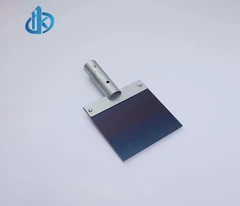

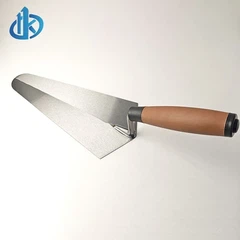

Buying a stainless steel putty knife might seem simple, but not all are created equal. To make sure you get one that works for your projects, follow this expert guide-no fancy jargon, just straight-up useful tips.
First, pick the right blade size. Size matters here! If you're doing small jobs like filling nail holes or touching up trim, a 1-inch or 2-inch blade is perfect. It's small enough to be precise without wasting material. For bigger tasks-like spreading joint compound on drywall or scraping large areas of wallpaper-go for a 4-inch or 6-inch blade. A larger blade covers more surface area, saving you time. Avoid buying a one-size-fits-all knife; having two or three sizes covers all bases.
Next, check the blade thickness. Thicker isn't always better, but you don't want a blade that's too thin (it'll flex too much) or too thick (it won't be flexible enough). Look for a blade that's 0.5mm to 0.8mm thick. This sweet spot gives you enough stiffness to spread materials evenly, but enough flexibility to get into corners. You can test it by gently bending the blade-if it snaps back into shape without warping, it's good.
Then, pay attention to the handle. You'll be holding this knife for hours, so comfort is key. Look for ergonomic handles that fit your palm-they reduce wrist fatigue. Soft-grip handles are even better; they're non-slip, which is great when your hands are messy. Avoid plastic handles that feel cheap-they'll crack or break over time. Metal handles are durable, but make sure they have a grip (bare metal gets slippery).
Also, check the blade edge. A sharp, smooth edge is important for scraping and spreading. Avoid blades with rough edges-they'll leave streaks in your spackle or scratch surfaces. Some blades have rounded edges, which are perfect for delicate jobs (like refinishing furniture) because they won't damage wood or paint.
Finally, don't skip the brand. Stick to trusted brands-they use high-quality stainless steel and build their knives to last. Cheaper, no-name knives might seem like a good deal, but they'll rust or break faster. Look for brands that offer warranties-if something goes wrong, you can get a replacement.


