
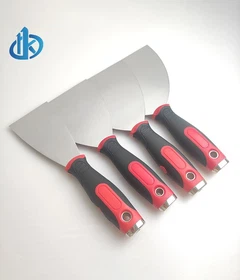
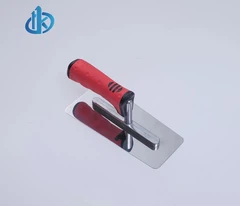
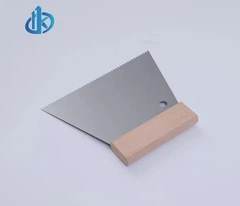



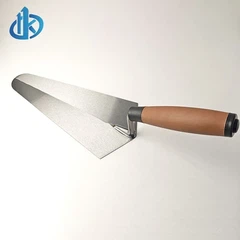

1. Determine the Purpose
Firstly, consider what you intend to use the putty knife for. Putty knives are widely used for filling, smoothing, and scraping tasks. For instance, if your main focus is on small cracks or holes in walls, a smaller putty knife might suffice. However, for large-scale plastering work, opt for a larger blade size to cover more area and increase work efficiency.
2. Blade Width
The width of the putty knife blade is another critical consideration. Common widths range from 1 inch to 10 inches. Smaller blades (such as 1-3 inches) are ideal for detail work like repairing fine cracks, whereas larger blades (like 6-10 inches) are better suited for smoothing out large areas on walls or ceilings. Choosing the appropriate width based on your specific needs ensures that operations are handled more comfortably and effectively.
3. Blade Material
Putty knife blades are commonly made from steel, stainless steel, or plastic. Steel blades are robust and durable, suitable for most everyday uses;
stainless steel blades offer corrosion resistance and easy cleaning, making them perfect for wet environments; plastic blades are lightweight and less likely to damage substrates, especially useful for delicate work on sensitive materials. Additionally, some high-end products feature a mirror-polished finish, further enhancing the blade's smoothness and longevity.
4. Handle Design
A well-designed handle can make prolonged work much easier. Wooden handles provide a classic feel and good grip but may absorb moisture over time. Rubber or synthetic material handles offer better slip resistance and are less affected by temperature changes, remaining soft even in cold weather. Dyed multi-layer plywood handles combine aesthetics with functionality, adding grip while exuding a premium look.
5. Quality and Brand
Purchasing a putty knife from reputable brands often means better quality assurance and after-sales service.
Well-known brands typically undergo stringent quality control to ensure product reliability and performance. Moreover, reading reviews from other users can provide valuable insights into the actual performance of the putty knife. Considering the long-term value of investment, choosing high-quality products is always more economical.
Producet Demonstration


In summary, selecting the right putty knife requires considering multiple aspects such as its purpose, size, material, handle design, and brand reputation.
By carefully evaluating these factors, you can find the tool best suited to your needs, making each repair, filling, or smoothing task simpler and more efficient. Whether undertaking simple home repairs or professional renovation projects, a quality putty knife is an indispensable helper.


