
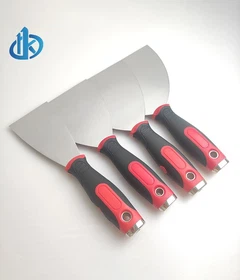


Let's be real: cleaning a filling knife isn't anyone's idea of a good time. It's up there with scrubbing burnt pasta off a pan or untangling Christmas lights. But skip this step, and your trusty tool turns into a crusty, useless mess faster than you can say "spackle." The good news? With a little know-how, cleaning it is as easy as pie-minus the calories.
First rule: clean it while the gunk is wet. Think of dried joint compound or putty like cement-it hardens into a rock that laughs at your scrubbing efforts. As soon as you're done using the knife, grab a bucket of warm water (not scalding-you don't want to cook the residue) and a stiff-bristled brush. Swish the blade around in the water, then scrub gently to loosen the goop. It's like giving the knife a quick shower before the mud dries into a permanent tattoo.
If you forgot (we've all been there) and the gunk has turned into a concrete-like crust, don't panic. Soak the blade in warm, soapy water for 15–20 minutes-think of it as a spa day for your knife. The soap breaks down the dried compound, and the water softens it up. After soaking, take that brush again and scrub with a bit more oomph. For extra stubborn spots, a plastic putty scraper (metal might scratch the blade!) can chisel away the leftover bits without damaging the edge.
Once the blade is clean, dry it immediately. Moisture is the enemy here-leave it wet, and rust will start throwing a party on the metal. A clean towel works, but for hard-to-reach spots near the handle, a paper towel or even a hairdryer on low heat does the trick. Think of it as tucking your knife in for the night-dry and cozy.
Pro move: if you're using oil-based putty (the sticky, slow-drying kind), warm soapy water won't cut it. Grab some mineral spirits or paint thinner (in a well-ventilated area, please!) and wipe the blade clean. Then follow up with soap and water to remove any residue-you don't want that stuff lingering on your tools.
Treat your filling knife right, and it'll return the favor. A clean blade glides smoother, lasts longer, and won't leave clumpy bits in your next project. Plus, there's something satisfying about putting a shiny, spotless tool back in your toolbox-like a job well done, even if the job was just cleaning.


