
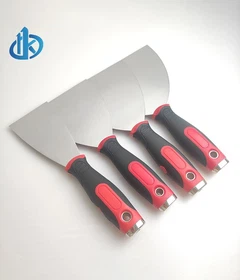
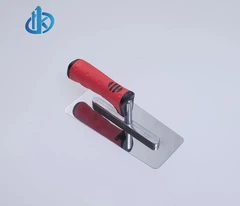
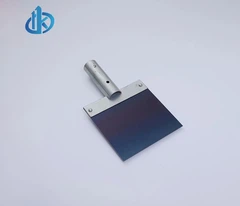

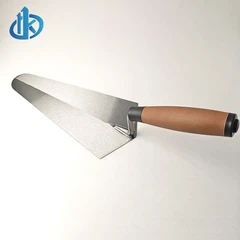

Let me hit you with a horror story-once, I finished plastering a wall, tossed my trowel in the garage, and forgot about it. Overnight, the wet plaster on it turned into a rock. I spent an hour scraping it with a screwdriver, and yeah, I scratched the blade all up. Don't be that person. Cleaning a trowel isn't hard, but you gotta do it right after you're done-while the plaster's still wet. Here's my go-to routine; it's kept my trowels in good shape for years.
First, grab a bucket of warm water-not boiling. Boiling water'll warp the metal, and then your trowel's basically useless. Hold the trowel at a little angle, dip the blade in the water, and let it sit for 10 or 15 seconds. That softens up the plaster. Then, grab a stiff-bristled brush-an old paintbrush works, or you can get a dedicated trowel brush-and scrub the blade in circles.
Make sure you get the edges and where the blade meets the handle; plaster loves hiding there. If there's a stubborn clump? Don't grab a knife or screwdriver! Just let the trowel soak another minute, then gently push the clump off with the brush. Once the blade's clean, dry it right away with a rag or paper towel. If you leave it wet, it'll rust, and rusty trowels leave gross streaks in your plaster.
Pro tip-after drying, wipe the blade with a little light machine oil, like 3-in-1 oil. It's like giving your trowel a mini spa day. Keeps the metal smooth and stops rust from forming. I do this every single time, and my oldest trowel's five years old-it still looks like I bought it yesterday. Here's the thing: a clean trowel works way better. Skip cleaning it, and you'll be buying a new one way sooner than you need to. Trust me, I've been there.
plastering trowel from hanke tools


