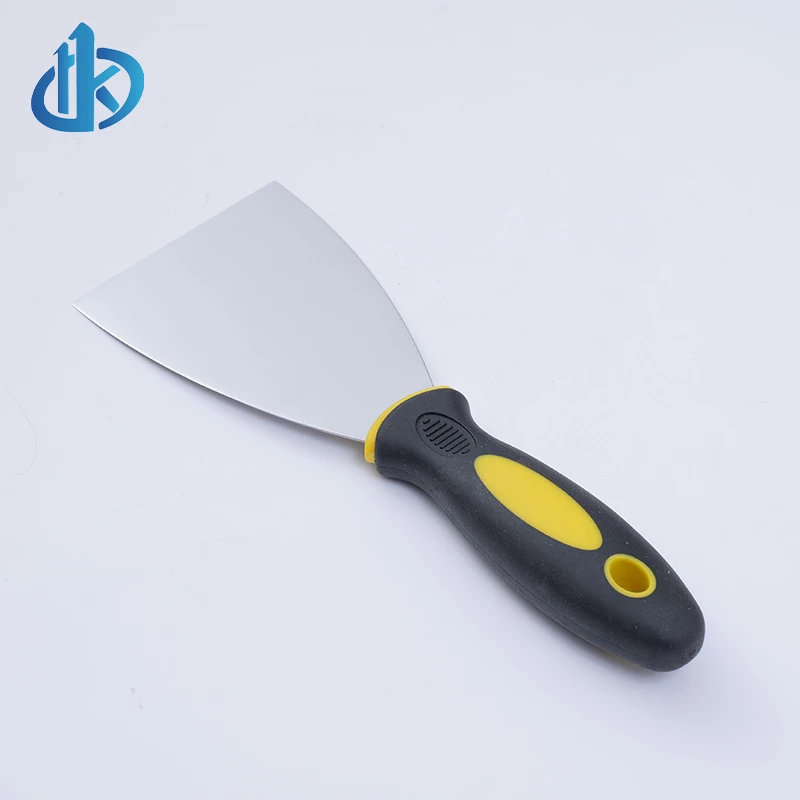


Cleaning a spackle knife isn't rocket science-but do it wrong, and you'll end up with a crusty, useless tool. Let me walk you through the right way, step by step. First rule: Clean it RIGHT AFTER using it. I can't stress this enough. If you let spackle, joint compound, or wood filler dry on the blade? It'll turn into a rock that's impossible to scrape off. I once forgot to clean mine overnight, and I had to use a wire brush (and a lot of elbow grease) just to get it halfway clean-never again.
If you used water-based stuff (most spackle, water-based wood filler), warm soapy water is your best friend. Grab a sponge or a rag, dip it in warm water with a drop of dish soap, and wipe the blade down. Be gentle but thorough-get all the goop off both sides. If there's a little dried-on stuff, let the blade soak in warm soapy water for 5-10 minutes first. That softens it right up, so you can wipe it away without scratching the blade.
For oil-based products (oil-based wood filler, some heavy-duty joint compounds), you'll need mineral spirits or paint thinner. But always work in a well-ventilated area-those fumes are strong! Dip a rag in the mineral spirits, wipe the blade until the gunk is gone, then follow up with a damp rag to remove any leftover spirits. Dry it right after-mineral spirits can leave a residue if you don't.
No matter what you used, dry the blade completely with a towel when you're done. If you leave it wet, metal blades will rust, and plastic ones might get moldy or crack. Then store it in a dry place-like a toolbox or a drawer. Pro tip: If you're in a hurry, keep a wet wipe handy to do a quick cleanup on the go-just make sure to do a proper soapy wash later. It takes 2 minutes, and it'll keep your spackle knife working like new for years!
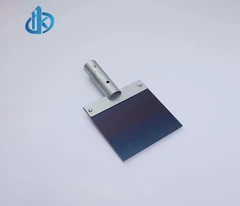
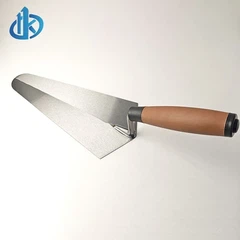
spackle knife from hanke tools