



How to get dried thinset off trowel--Insights from a Chinese manufacturer of professional hand tools
In tile installation projects, workers often encounter a practical question: How to get dried thinset off trowel? Dried thinset adhering to the notched trowel not only slows down subsequent work but also affects overall construction quality, making cleaning methods a critical concern for teams.
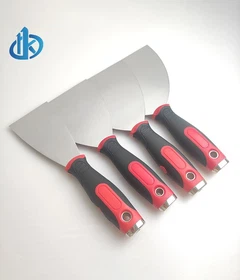
Industry experts recommend starting with physical methods. Using a scraper, wire brush, or plastic brush to gently knock or scrape off surface residue can remove most deposits. This step is most effective before the thinset fully hardens, preventing potential damage to the trowel's notches.
For fully hardened thinset, soaking is often necessary. Submerging the trowel in warm water softens the residue, which can then be brushed off. Some job sites may use mild acidic cleaners, but caution is required to avoid corrosion or damage to the tool.

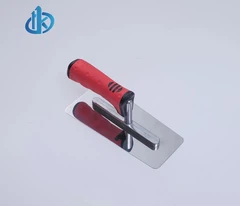
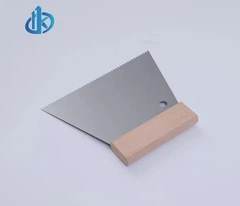
As a professional hand tools manufacturer, Hanke Tools Co., Ltd. considers cleaning convenience in its trowel designs. Corrosion-resistant blades and optimized notch geometry make it easier for workers to remove dried thinset, extending tool life.
Thus, in practice, workers repeatedly ask: How to get dried thinset off trowel? Mastering proper physical cleaning methods, combined with soaking or auxiliary cleaning solutions, is key to maintaining tool performance and ensuring high-quality results.
As a Chinese source factory, Hanke Tools has relied on three decades of manufacturing experience to provide durable and reliable trowels. By focusing on quality and innovative design, Hanke helps global construction teams improve efficiency and achieve consistent results.


