
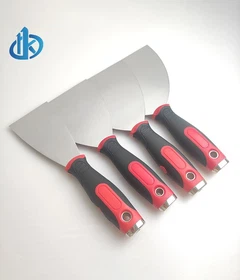
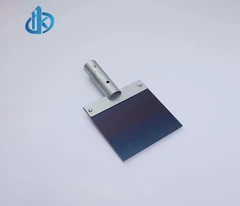

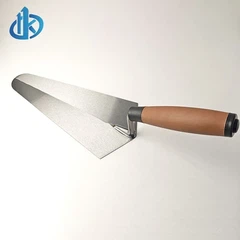

A putty knife is a versatile tool used in various DIY projects, from home repairs to art - related tasks. The way you hold it can significantly impact your efficiency and the quality of your work. There are several effective ways to grip a putty knife, each tailored to different purposes.
For detailed and delicate operations, the precision grip is indispensable. Start by positioning your thumb on the side of the blade close to the handle, providing a stable base. Extend your index finger along the top edge of the blade, which acts as a guide and offers enhanced control. Wrap your remaining fingers firmly around the handle, forming a secure yet flexible hold. This grip is perfect for tasks like filling narrow cracks in walls, applying putty to small gaps in window frames, or carefully smoothing out surfaces. For instance, when repairing a small chip in a painted surface, the precision grip allows you to apply just the right amount of putty and create a seamless finish.
When dealing with more substantial tasks that require greater force, the power grip comes into play. Clench the handle tightly in your fist, making sure your fingers wrap around it completely. Position your thumb along the side of the blade, which helps in exerting more pressure. This grip gives you the leverage needed for scraping off thick layers of old paint, removing stubborn adhesives, or applying putty over large areas. For example, when preparing a wall for repainting by scraping off peeling paint, the power grip enables you to work more quickly and effectively.
In addition to these two primary grips, the palm - down grip can be useful for spreading materials evenly. Hold the putty knife with your palm facing down, fingers wrapped around the handle. This grip is great for tasks like spreading joint compound over drywall seams, as it allows for smooth and consistent application.
Regardless of the grip you choose, there are some general principles to follow. Keep your wrist in a neutral position to prevent fatigue and potential injuries. Maintain a proper stance with your feet shoulder - width apart for better balance, especially when applying significant force. Before starting any project, take a moment to adjust your grip and ensure that the knife feels comfortable in your hand. Also, always inspect the blade for any signs of damage, as a dull or chipped blade can affect your work and pose a safety risk. After use, clean the putty knife thoroughly and store it in a safe place, so it's ready for your next project. By mastering these 握持 techniques, you can unlock the full potential of your putty knife and tackle a wide range of tasks with confidence.


