
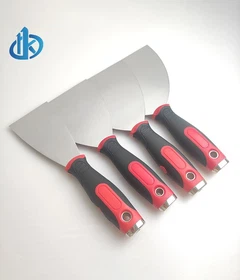


Rust on a taping knife is like mold on bread-gross, avoidable, and a total mood-killer for your drywall project. That orangey gunk doesn't just look bad; it clogs up the blade, making mud stick like glue and ruining your smooth finishes. But don't worry, keeping your knives rust-free is easier than keeping a plant alive (and I've killed plenty of those).
First rule: clean it like you mean it. Wiping off excess mud with a rag isn't enough-get that blade under running water, scrub it with a stiff brush, and dry it immediately. Think of it as tucking the knife in at night-no dampness allowed. A pro once told me, "If you wouldn't let your phone sit in a puddle, don't let your knife." Smart guy.
Here's a trick: after drying, give it a quick rub with mineral oil or even cooking oil. It's like slathering on sunscreen before a beach day-forms a tiny barrier that keeps moisture out. Just a dab on a paper towel, wipe the blade down, and you're good. No need to overdo it; you're not frying eggs here.
Store it right, too. Tossing it in a damp toolbox with nails and screws is basically inviting rust to a party. Hang it up on a hook, or lay it in a dry drawer with a silica packet (those little "do not eat" things from shoe boxes work wonders). It's like giving your knife a cozy, dry bed instead of a muddy tent.
And if you spot a tiny rust spot? Don't panic. Grab some steel wool, scrub gently like you're exfoliating skin, then re-oil. It's fixable-no need to toss a perfectly good knife because of a little blemish.
Rust is lazy; it only wins if you're lazier. A minute of care after each use keeps your knife sharp, smooth, and ready to work. Your future self (and your walls) will thank you-no more fighting with a crusty blade when you're in the zone. It's simple, it's satisfying, and honestly? It makes you feel like a responsible adult. Win-win.


