


Stripping a century's worth of paint is a project that's part archaeology, part elbow grease, and 100% satisfying-if you go about it the right way. Let's start with the basics: safety first. Old paint, especially anything pre-1978, might contain lead, which is toxic when inhaled or ingested. So gear up: a respirator (not just a dust mask-look for one rated for lead dust), chemical-resistant gloves, goggles to protect your eyes from splatters, and old clothes you don't mind ruining. Trust me, this isn't the time to wear your favorite jeans-paint stripper and old paint stains are stubborn.
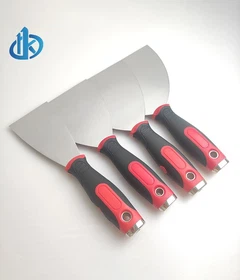
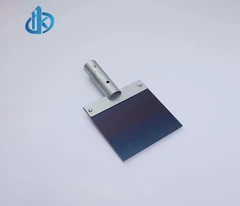
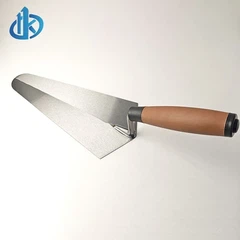
Now, let's talk tools. A heat gun is your first line of attack. Think of it as a magic wand for old paint-turn it on, hold it a few inches from the surface, and watch as decades of layers bubble up like a pot of water reaching a boil. The key here is to move the heat gun slowly, not lingering too long in one spot (you don't want to scorch the wood or warp the material underneath). Once the paint bubbles, grab a putty knife with a sharp, flexible blade and slide it under the bubbled paint-it should peel away in big, satisfying sheets, like peeling a sticker off a window. It's amazing to see: one layer might be a faded red from the 1950s, another a soft blue from the '70s, each telling a story of the home's past.
But not all paint layers will surrender to heat. For the stubborn ones-those thick, crackly layers that laugh at your heat gun-chemical strippers are your next move. There are two main types: solvent-based and citrus-based. Solvent-based strippers are tough, working quickly to dissolve even the thickest paint, but they have a strong odor, so make sure the area is well-ventilated (open windows, turn on fans). Apply them with a disposable brush, let them sit for 15–30 minutes (check the label-timing matters!), and the paint will turn into a goopy mess that you can scrape off with a plastic scraper (metal might scratch the wood, especially if it's delicate).
Citrus-based strippers are gentler, with a fresh, orangey scent that's way easier on the nose-great for indoor projects or delicate surfaces like ornate woodwork with carvings. They take a bit longer to work, but they're less harsh on both you and the material. Whichever stripper you use, follow up with a "neutralizer" (usually a mixture of water and vinegar) to stop the stripping action-otherwise, it might continue eating away at the wood.
Once most of the paint is off, it's time to sand. Start with a medium-grit sandpaper (80–100 grit) to smooth out any remaining paint bits and rough spots, then move to a fine grit (120–150) for a polished finish. But go easy-this isn't about sanding down to fresh wood unless you have to. Old wood has character, with tiny nicks and patina that tell its story, so sand just enough to remove the last traces of paint without erasing that history.
Is it a lot of work? Absolutely. Will you get paint under your nails and stripper on your forearms? Probably. But when you step back and look at the bare wood, with its natural grain and century-old charm finally revealed, you'll realize it's worth every minute. Removing 100 years of paint isn't just about prepping a surface-it's about uncovering the soul of a home, one layer at a time.


