


Preparation
Before starting to apply materials, ensure the working area is clean and dry. This helps the material adhere better to the surface and reduces subsequent processing time.
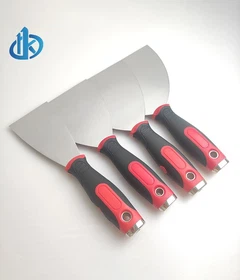
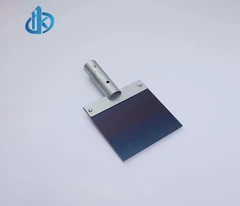
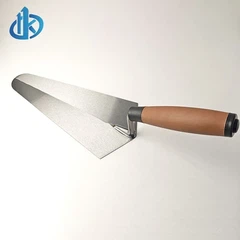
Check if the putty knife is clean and undamaged, especially ensuring that the blade edge is smooth without burrs, to avoid scratching walls or leaving uneven marks. Choose a putty knife of appropriate width based on your needs; smaller knives are suitable for detail work, while larger ones are better for covering extensive areas.
Application Techniques
1.Taking an Appropriate Amount of Material: Scoop out an appropriate amount of material from the container onto one side of the putty knife. Avoid taking too much at once, as this can make handling difficult or lead to waste. For beginners, it's safer to apply small amounts multiple times.
2.Angle Control: Place the putty knife at approximately a 45-degree angle against the surface to be coated. This angle provides enough pressure to ensure the material adheres well to the surface without excessive pressure causing overflows or uneven thickness.
3.Steady Movement: Keep your hand steady and push the putty knife smoothly in one direction to spread the material evenly across the surface. For large areas, you can use a cross-hatching technique-first applying material horizontally, then vertically-to ensure comprehensive coverage.
4.Surface Finishing: After initial application, lightly run the putty knife over the surface to remove excess material and refine the edges, ensuring the entire surface looks smooth and neat. If bubbles or uneven spots appear, use a damp cloth to wipe them away or rework those areas with the putty knife.
5.Timely Cleaning: Clean the residual material off the putty knife immediately after each use to prevent it from hardening and affecting its performance next time. For water-soluble materials, simply rinse with water; for non-water-soluble materials, a specialized solvent may be required for cleaning.
Precautions
Maintain consistent pressure and speed during use to ensure uniform material thickness.
When applying heavier materials on vertical surfaces, it's advisable to work in sections and take breaks periodically to prevent material slippage due to gravity.
For particularly rough or uneven surfaces, consider pre-sanding to level them or applying a primer before material application to enhance adhesion.
Product Demonstration


In summary, mastering the proper use of a putty knife can significantly improve work efficiency and the success of patching, sealing, and other tasks.
Whether you are a professional craftsman or a DIY enthusiast, understanding and practicing the above techniques will help achieve more satisfactory results. With continuous practice and experience accumulation, you'll become more adept at using the putty knife to achieve ideal coating effects.


