


Using a scraper for concrete is a crucial skill in various construction and DIY projects. Whether you're finishing a new concrete slab or removing old coatings, a proper technique ensures a smooth and even surface.
Preparing the Area
Before starting, ensure the concrete surface is relatively clean. Remove any large debris, rocks, or loose materials. If there are existing coatings like paint or adhesive, it might be necessary to soften them first, perhaps with a chemical stripper depending on the type.
Selecting the Right Scraper
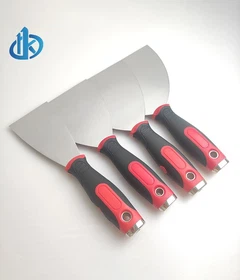
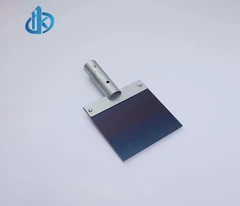
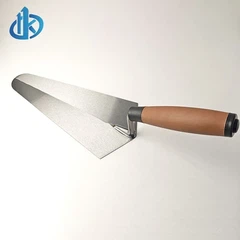
There are different types of scrapers for concrete. A flat - bladed hand scraper is useful for small areas and detailed work. For larger surfaces, a floor scraper attached to a handle or a mechanical scraper can save a significant amount of time and effort. The blade material also matters; carbide - tipped blades are durable and can handle tough concrete residues.
The Scraping Process
When using a hand scraper, hold it at an angle of about 30 - 45 degrees to the concrete surface. Apply firm but even pressure and push the scraper forward in a smooth motion. For a floor scraper, keep the handle at a comfortable height and use a steady, back - and - forth motion. If using a mechanical scraper, follow the manufacturer's instructions regarding speed and pressure settings.
Cleaning and Finishing
As you scrape, regularly clean the blade of the scraper to prevent buildup, which can affect the scraping efficiency. Once you've removed most of the unwanted material, use a wire brush or sandpaper to smooth out any remaining rough spots. This final step helps to achieve a uniform and professional - looking finish on the concrete surface.


