
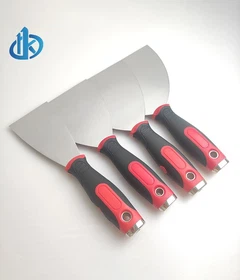
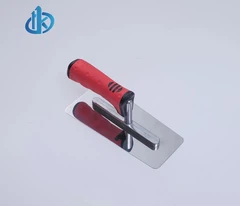
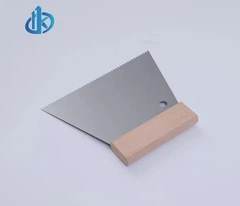
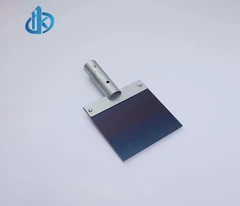

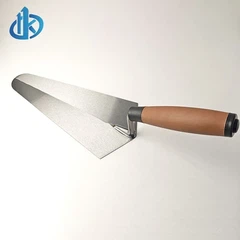

Think of a stripping knife as the demolition expert of the paint world-tough, unapologetic, and ready to tackle the gunk that's overstayed its welcome. This burly tool, with its thick, rigid blade (often curved at the end like a tiny shovel), is here to strip away old paint, wallpaper, or stubborn adhesives, and using it is part muscle, part finesse.
First, prep your battlefield. Lay down a drop cloth to catch the chaos-this thing will fling paint chips like a toddler with mashed potatoes. Then, if you're dealing with paint, score the surface lightly with a utility knife to give the stripping knife something to grip. Now, hold the knife like you're shaking hands with a stubborn jar lid-firm but not white-knuckled. Angle the blade at about 30 degrees to the surface, so the edge digs in without gouging the wood or drywall underneath.
Start with a gentle push, letting the blade slide under the paint. If it's being stubborn, don't brute-force it-you'll just bend the blade or damage the surface. Instead, apply a paint stripper first (let it sit like a calm negotiator), then come back with the knife. The gunk should peel away like sunburned skin (gross, but satisfying). For wallpaper, slide the blade under the edge, then "saw" gently to separate it from the wall, keeping the blade flat to avoid tearing the paper into tiny, annoying pieces.
Pro tip: Clean the blade as you go-wipe it on a rag or scrape it against a bucket edge. A gunk-caked blade is about as useful as a spoon at a steak dinner. And when you're done, step back and admire: that old, flaky surface is gone, thanks to your stripping knife-your new favorite partner in renovation crime.


