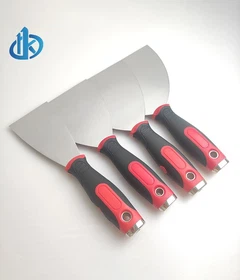
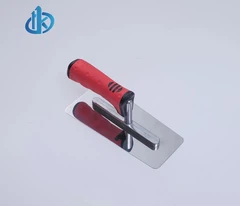
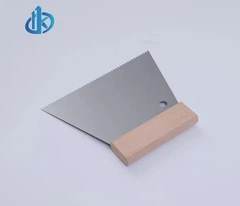
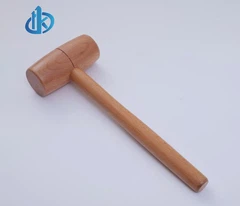


product key technologies
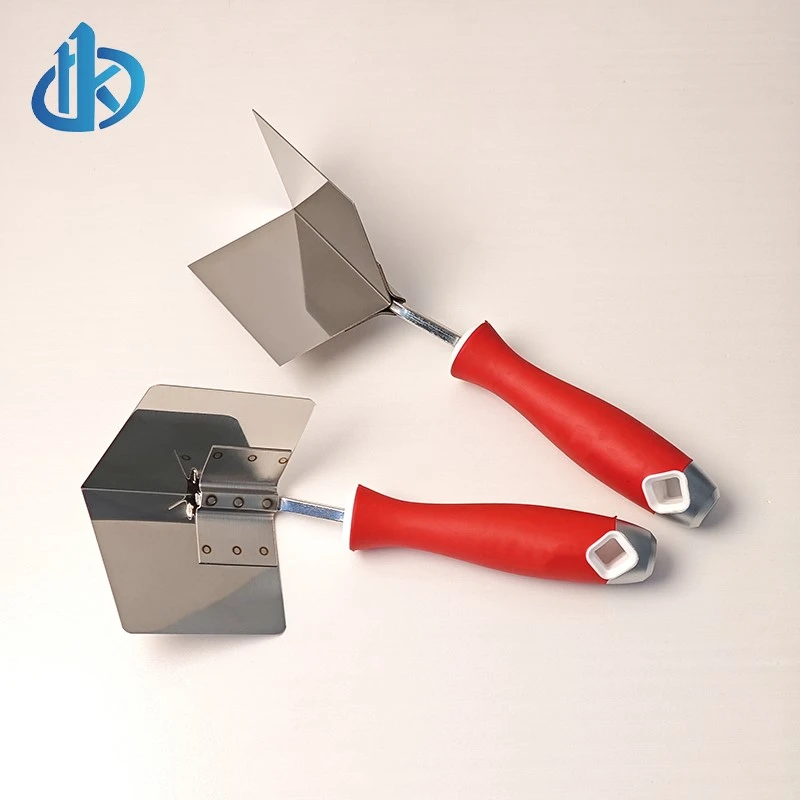
Internal-External Corner Trowels are essential tools for achieving clean, professional finishes in construction and renovation projects, especially when dealing with corners.
When using an internal corner trowel, start by preparing the corner surface. Ensure it's clean, free of debris, and any old adhesive or loose material is removed. Load the trowel with the appropriate amount of joint compound or putty. For a smooth application, hold the trowel at a slight angle, usually around 45 degrees, and gently press it into the corner. Begin at the top and work your way down, using a smooth, even motion. The curved or angled design of the internal corner trowel allows it to fit snugly into the corner, ensuring an equal distribution of the material. This is crucial for creating a seamless join, like when finishing drywall in a new room construction. It helps to eliminate any gaps or bumps that could mar the appearance of the corner.
For the external corner trowel, the process is somewhat similar but with a focus on protecting the exposed edge. After prepping the corner, apply the compound evenly. The trowel's shape is designed to wrap around the outside of the corner, providing a protective and decorative finish. As you work, pay attention to maintaining a consistent thickness of the material. This is vital in exterior applications where the corner is exposed to the elements. For example, in stucco work on a building's façade, the external corner trowel ensures the stucco is applied neatly, preventing water infiltration and enhancing the aesthetic appeal.
Both types of corner trowels require practice to master. Take your time during the application, and don't be afraid to make adjustments as you go. With proper use, these tools can transform rough corners into smooth, polished features that enhance the overall quality of any building project.