
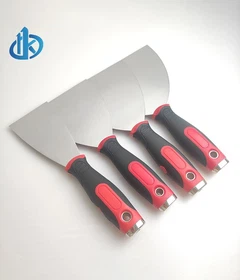
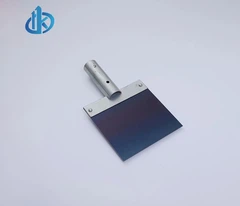

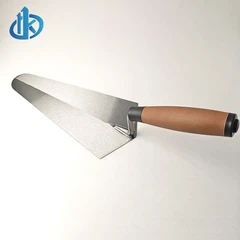

I had a scary moment last year: I was scraping old paint off my garage wall with a rigid putty knife, and the blade slipped. It scraped across my wrist, leaving a deep cut. I didn't think a putty knife could be dangerous- it's just a flat metal tool, right? But after talking to Jake (my contractor friend) and his crew, I learned that putty knives can cause serious injuries if you're not careful. They shared their top safety tips, and I now follow them every time I use a putty knife.
1. Always check the blade for damage before use.
"A dull or bent blade is the biggest safety hazard," Jake says. Dull blades slip easily (which is how I cut myself), and bent blades can snap under pressure. Before you use your putty knife, inspect the blade: if it's rusted, nicked, or bent, throw it away. Sharp blades are safer- they cut through paint and putty without slipping.
2. Wear gloves (yes, really).
I used to skip gloves because I thought they made it hard to hold the knife. But Maria (the carpenter) told me, "Gloves give you a better grip, and they protect your hands from cuts and scrapes." I now wear nitrile gloves- they're thin enough to feel the knife, but thick enough to stop the blade from cutting my skin. They also keep my hands clean from putty and paint.
3. Hold the knife correctly (no death grips).
I used to grip the putty knife as tight as I could, which made my hand tired and made the knife slip. Tom (the plumber) showed me the right way: "Hold the handle with your fingers wrapped loosely around it- like you're holding a cup of coffee. This gives you control without tiring your hand." He also said to keep your fingers away from the blade- never wrap your fingers around the top of the handle (you could slice them if the blade slips).
4. Use the right knife for the job (don't force it).
Using a small putty knife to scrape thick paint is a recipe for disaster- the blade will bend, and you'll have to press harder, which makes it slip. "If the knife isn't working, stop and get the right tool," Jake says. For heavy scraping, use a rigid 6-8 inch knife. For delicate work, use a small flexible knife. Forcing a knife to do something it's not meant to do is how injuries happen.
5. Keep the blade away from your body.
When you're scraping or spreading putty, always keep the blade facing away from you. I once leaned in too close while scraping my ceiling, and the blade slipped down- it almost hit my face. Now I stand back, and I never scrape above my shoulders without a ladder (and a helper to hold it).
6. Store it safely.
Never leave a putty knife lying around with the blade exposed. I keep mine in a tool roll with a flap that covers the blade, or I wrap the blade in a cloth before putting it in my toolbox. This prevents the blade from rusting and keeps you from accidentally cutting yourself when you're grabbing tools.
I used to think safety tips were boring, but that cut on my wrist taught me otherwise. Following these tips has made my DIY projects way safer- and way less stressful. Pros know what they're talking about- listen to them!


