
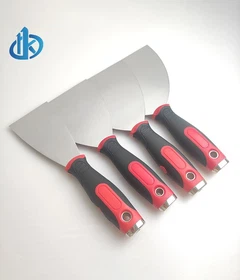


It depends on what you're using it for! But for most DIY jobs-like filling holes in walls or wood-slightly flexible is the way to go. Let me break it down.
A flexible blade is great for spreading filler because it can glide over uneven surfaces and press the filler into gaps without leaving lumps.
If you're filling a crack that's not perfectly straight, a flexible blade can follow that crack's shape, making sure the filler gets everywhere. I have a flexible 4-inch knife that I use for wall filler, and it makes the job so much easier-no more missed spots or bumpy edges.
But if you're working with super thick filler (like some heavy-duty wood fillers) or need to scrape off excess filler from a flat surface, a slightly stiffer blade might be better. A stiff blade won't bend under pressure, so you can scrape off extra filler without leaving a dip. Just don't go for a blade that's too stiff-those are more like putty knives, and they'll leave streaks in the filler.
I once bought a super stiff filling knife thinking it'd be "more durable," and I couldn't get it to spread filler evenly to save my life. It kept pushing the filler around instead of pressing it into the hole. Now I stick to blades that have a little give-you can test it by pressing the blade gently with your finger; it should bend slightly but pop back into shape. That's the sweet spot.
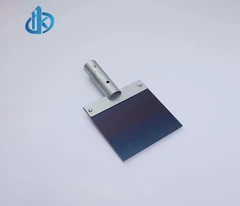
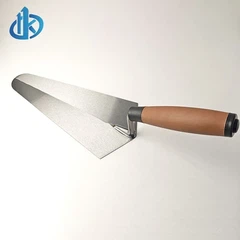
filling knife from hanke tools


