



Should I use a square or round notched trowel? - A Key Decision in Professional Tiling
[Linyi, China] – The question "Should I use a square or round notched trowel?" has recently surged in global search trends, reflecting growing attention in the tile installation industry to selecting the right trowel notch shape. Linyi Hanke Tools Co., Ltd., a long-standing manufacturer specializing in hand tool exports, provides a practical breakdown of this topic based on field feedback and application scenarios.
In tile and flooring installation, the type of notch directly affects how the adhesive spreads and how well the tiles adhere. The two most common shapes-square notch and round notch-produce different adhesive patterns, each suited to particular tile sizes and substrates.
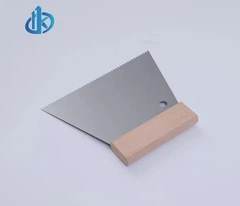
Square notched trowels are generally preferred for large-format tiles or floor tiling. They create straight, evenly spaced ridges that ensure better leveling and pressure distribution. Round notched trowels, on the other hand, are more suitable for smaller tiles, mosaics, or thinner adhesive layers, offering a smoother spread that minimizes adhesive overflow when tiles are pressed down.

"We recommend choosing a notch based on tile size and surface conditions. For example, 10x10mm square notches are ideal for tiles over 300x600mm, while semicircular notches work better in wet areas or fine-detail tiling," explains a sales engineer at Hanke Tools. "The right tool pairing boosts efficiency and reduces installation issues like hollow spots."
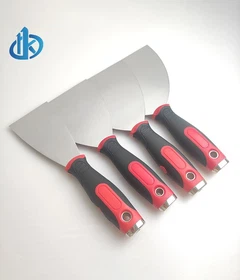
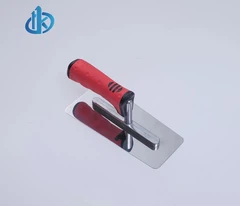
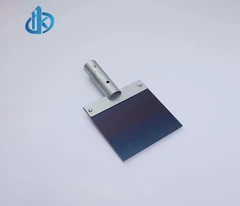
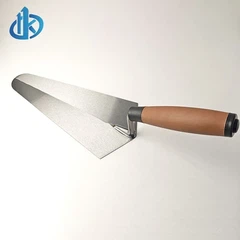
Hanke offers a wide range of notched trowels, available in stainless or carbon steel blades with rubber-plastic or birch wood handles. These tools are exported to over 30 countries across Europe, North America, and Australia, backed by multiple quality certifications and trusted by professionals worldwide.
Choosing the right notch type is foundational to a successful tiling job. Hanke Tools stands ready to support global users with reliable tools and real-world expertise. For product details or application advice, visit our website or contact our engineering support team.


