
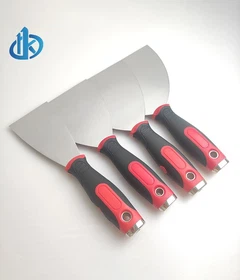
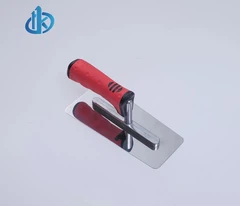
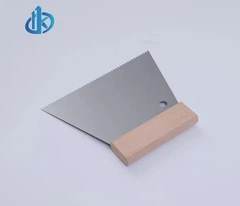
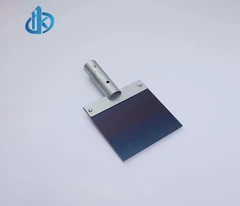

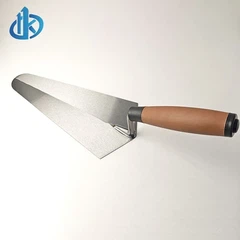

Walk into a hardware store, and you'll see two knives that look like twins-taping knives and putty knives. But grab both, and you'll quickly realize they're more like distant cousins with very different jobs. Let's break down why mixing them up is a rookie move.
First, the taping knife is built for heavy lifting. Its blade is stiffer than a boardroom CEO, designed to spread thick joint compound over drywall seams without bending like a wet noodle. The edges are usually slightly rounded, which helps feather compound into the wall so seams disappear. Think of it as a construction worker in steel-toe boots-tough, purpose-built, and ready to tackle big jobs. Try using one to scrape paint, though, and you'll end up with a blade that's nicked faster than a cheap razor.
Putty knives, on the other hand, are the delicate artists of the tool world. Their blades are thinner and more flexible, perfect for smearing lightweight spackle into small holes or scraping old paint off windowsills. They're like a sculptor's chisel-precision tools for fine work. But hand a putty knife a bucket of joint compound, and it'll fold like a cheap suit under the weight, leaving you with lumpy seams that look like a toddler's art project.
The handle tells the story too. Taping knives often have longer, sturdier handles for applying pressure during long stretches, while putty knives sport shorter grips for controlled, detail-oriented work. So next time you reach for one, remember: using a putty knife on drywall is like using a spoon to dig a ditch-possible, but painful.


