
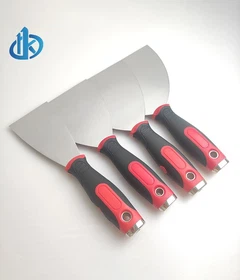
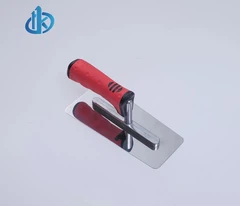
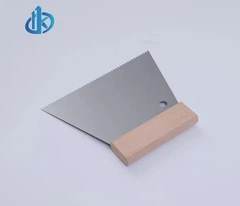
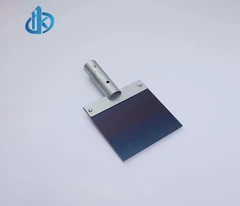

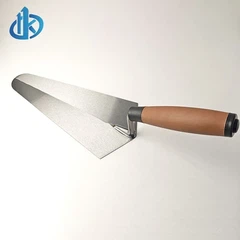

Drywall tools are ditching their "dumb" reputation, and taping knives are leading the charge. The future isn't just about sharper blades or sturdier handles-it's about tools that think, adapt, and even help you get better at your job. Here's a peek at the smart innovations set to revolutionize how we mud and tape.
First up: sensors that read the compound. Imagine a taping knife with tiny sensors embedded in the blade that measure the thickness of joint compound as you spread it. Too thin? A gentle vibration in the handle warns you before the tape bubbles. Too thick? It beeps softly, saving you from sanding off clumps later. It's like having a pro leaning over your shoulder, whispering, "Ease up" or "Add a little more"-but without the backseat driving. Early tests with contractors found these sensors cut rework time by 30%-a game-changer on tight deadlines.
Then there's self - adjusting blades. Thanks to lightweight, shape - memory alloys, future taping knives could flex automatically based on the surface. Hit a bump in the drywall? The blade softens, conforming to the imperfection like a memory foam mattress. Glide over a smooth seam? It stiffens, laying down compound in a perfectly even layer. No more manually switching between rigid and flexible knives-this one does the thinking for you. One manufacturer's prototype even uses AI to "learn" your taping style, adjusting its flexibility to match your unique stroke. It's like a dance partner that finally figures out your rhythm.
Smart handles are getting in on the action too. Picture a grip that tracks your wrist angle and pressure, then sends real - time data to an app on your phone. Slouching into a painful position? The app pings you: "Straighten that elbow!" Pressing too hard on one side? It shows a heat map of your pressure, helping you train for more even results. It's part tool, part coach-perfect for rookies trying to break bad habits and pros looking to avoid repetitive strain injuries. And yes, it syncs with your smartwatch, so you can log "taping calories" alongside your steps.
Let's not forget material science magic. Nanocoatings on future blades will repel compound like water off a duck's back, so you spend less time scraping goop off the edge and more time taping. Some labs are testing self - cleaning blades that release a tiny burst of friction when you wipe them, loosening dried compound without harsh chemicals. It's like having a built - in cleaning crew for your tool-no more caked - on messes at the end of the day.
The future of taping knives isn't about replacing skill-it's about amplifying it. These tools will make pros faster, rookies more confident, and every job a little less frustrating. So the next time you pick up a taping knife, don't be surprised if it says, "Let's do this" back.


