
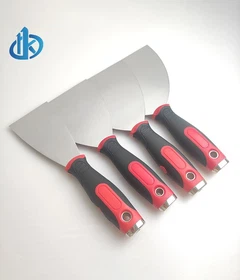
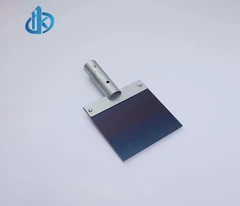

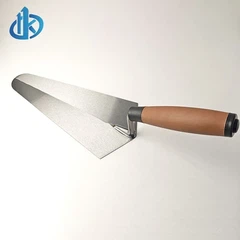

When I first held a putty knife, I felt like I was holding a foreign object. Do I hold it like a pencil? A hammer? And how do I spread spackle without getting it everywhere? I made so many mistakes-like pressing too hard and bending the blade, or leaving globs of putty on the wall-that I almost gave up on DIY. But after talking to a pro and practicing (a lot), I figured out the basics. This guide is for anyone who's ever stared at a putty knife and thought, "Now what?"
Step 1: Choose the right knife (and materials).
Start small-grab a 3-inch or 4-inch medium-flex stainless steel knife (it's forgiving for beginners). For filling nail holes or small cracks, use lightweight spackle (it dries fast and sands easy). For bigger holes (bigger than a quarter), use joint compound (it's stronger). Avoid heavy-duty knives or rigid blades-they're harder to control.
Step 2: Prep the area.
Wipe down the wall or furniture with a damp cloth to remove dust and dirt. If you're filling a hole, use a small brush to clean out any debris (like old paint chips). For peeling paint, scrape off the loose bits with your knife (hold it at a 45-degree angle-more on that later!).
Step 3: Load the knife with putty/spackle.
Scoop a small amount of spackle onto the blade-start with less than you think you need (you can always add more). Tap the knife gently on the container to remove excess-too much spackle will make a mess.
Step 4: Spread the spackle (the right way).
Hold the knife at a 45-degree angle to the surface. Press lightly and pull the knife across the hole-this spreads the spackle evenly. Don't press too hard! If you do, the blade will bend, and spackle will squeeze out the sides. For nail holes, one pass is usually enough. For cracks, make two passes: one along each side of the crack.
Step 5: Clean up (immediately!).
Wipe the blade with a damp cloth right after use. If spackle dries on the blade, soak it in warm water for 10 minutes, then scrape it off with a sponge. Never leave a dirty putty knife in your toolbox-it will rust or get sticky.
Step 6: Sand (when dry).
Wait for the spackle to dry completely (check the package-usually 1-2 hours). Then use fine-grit sandpaper (220-grit) to sand the patch until it's smooth. Sand in a circular motion, and be gentle-you don't want to sand through the spackle.
Pro tips for beginners:
Practice on a scrap piece of drywall first-no one has to see your mistakes!
If you mess up, just wipe off the spackle with a damp cloth and try again.
I still make mistakes sometimes, but following these steps has made DIY so much easier. You've got this!


