
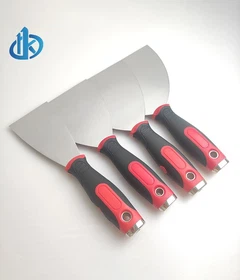
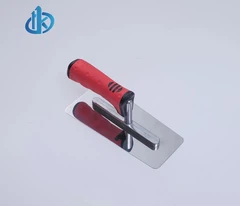
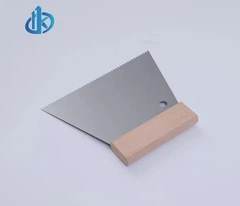
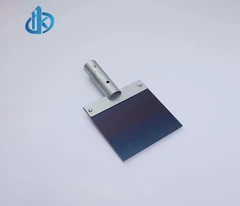

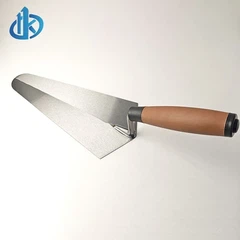

Let me keep it real-these two tools look similar at first glance, but they're built for totally different jobs, like a butter knife vs. a steak knife. The key difference boils down to design, sharpness, and what you're actually using them for. Let's break it down like a friend who's messed up by mixing them up before.
Core Design & Sharpness
Putty knives have a thin, flexible blade-usually made of stainless or carbon steel-that's slightly dull (on purpose!). The blade is meant to bend a little, which helps smooth spackle, caulk, or paint without scratching surfaces. They often have a rounded or flat edge that's wide (2–6 inches is common) to spread materials evenly. Think of it as a "smoothing tool" first and foremost.
Scrapers, on the other hand, have a thicker, stiffer blade that's super sharp-like a mini chisel. The blade is rigid so it can apply pressure without bending, and the edge is honed to slice through tough gunk. They're often narrower (1–3 inches) or have a pointed tip to get into crevices. This is a "removal tool" through and through-no flexibility needed here.
What They're Used For
Putty knives are all about applying and smoothing. You'll use them to fill nail holes with spackle, spread caulk around windows, or smooth drywall mud. Their flexible blade lets you feather edges so the material blends into the wall-no lumps or lines. I use mine for patching holes, touching up paint, and even spreading wood filler on furniture.
Scrapers are for scraping and stripping. They're made to peel off old paint, scrape away sticky adhesives, remove grout, or chip off rust. The sharp, stiff blade cuts through tough layers without bending, so you don't waste energy. I've used mine to strip peeling paint off my porch, scrape sticker residue off cabinets, and even clean grout from tile floors.
Quick Recap to Avoid Mix-Ups
Use a putty knife if you're adding something (spackle, caulk) and need to smooth it.
Grab a scraper if you're removing something (paint, glue) and need sharpness + rigidity.
Putty knife = flexible, dullish, wide → smoothing.
Scraper = stiff, sharp, narrow → stripping.
I once tried using a putty knife to scrape old paint-total fail. It bent like a noodle and didn't cut through anything. Then I used a scraper to smooth spackle? Disaster-left scratch marks all over the wall. Now I keep both handy, and life's way easier.
Want me to make a quick-reference cheat sheet with use cases and blade specs to stick in your toolbox?
Our Products


