
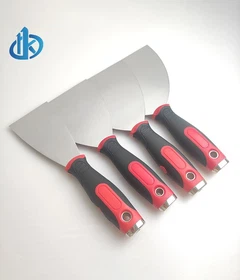
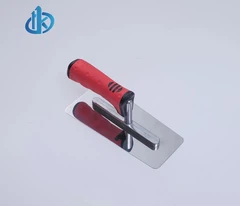
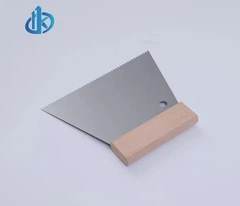
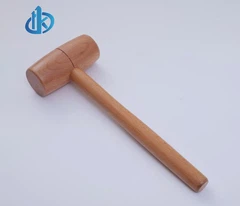
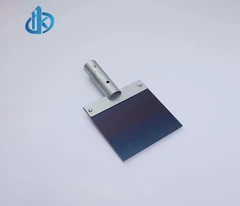

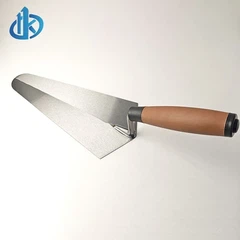

Bricklaying trowels, essential tools in masonry, often require welding for various reasons, such as blade replacement or handle reinforcement. Different welding methods are employed to ensure a strong and durable bond.
One common method is arc welding. This process uses an electric arc to generate intense heat, melting the filler metal and the edges of the trowel components being joined. For bricklaying trowels, when attaching a new steel blade to a metal handle, arc welding can create a robust connection. The welder carefully controls the arc length and current to deposit the right amount of filler metal, ensuring the blade is firmly affixed. This method is favored for its versatility and ability to handle thicker materials, providing the strength needed for heavy-duty use in construction sites.
Another approach is gas welding, typically using oxy-acetylene gas. It produces a hot flame that can precisely melt the metal surfaces. In the case of trowels, gas welding is advantageous when working on more delicate repairs or when a finer finish is desired. For instance, if a small crack appears in the blade near the handle joint, gas welding allows for controlled heating and melting of the metal to fill the crack without causing excessive distortion to the trowel's shape. The welder can adjust the gas mixture and flame intensity to achieve the optimal welding conditions.
Resistance welding is also utilized. It works by passing an electric current through the parts to be joined, generating heat due to resistance. For bricklaying trowels, this can be beneficial when attaching small fittings or reinforcements. For example, adding a reinforcing plate to the back of a trowel blade to enhance its durability. Resistance welding is rapid and can create consistent welds, minimizing the production time and ensuring reliable connections.
Laser welding, although more advanced and costly, is emerging in the tool manufacturing industry. It uses a highly focused laser beam to melt and fuse the metal. When it comes to bricklaying trowels, laser welding can produce extremely precise and clean welds. This is especially useful for high-end or specialty trowels where aesthetics and strength are of utmost importance. It can join thin or intricate parts without the need for extensive post-welding cleanup.
In conclusion, the choice of welding method for bricklaying trowels depends on factors like the type of repair or construction, desired finish, and cost considerations. Each method offers unique advantages to ensure these vital masonry tools remain in top-notch condition.


