



Small Scraper with Great Utility: Beneficial for Both Life and Work
Recently, with the rise of the DIY trend and the increasing demand for various cleaning and repair work, the scraper, a tool, has gradually come into the public view, and its diverse uses have also attracted widespread attention. So, what exactly can a scraper be used for?
In daily life, the scraper is a powerful assistant for cleaning. Kitchen grease is a headache for many housewives, and this is where the scraper can show its prowess. The thick grease that has accumulated around the stove for a long time is difficult to completely remove with an ordinary rag.
With a gentle scrape of the scraper, the grease can easily fall off. Then, wipe it with a cleaning agent, and the stove instantly looks brand new. The gaps between bathroom tiles often accumulate dirt. The scraper can penetrate these gaps and scrape out the dirt, making the tiles clean and tidy again. In addition, the remaining stickers and adhesive stains on windows can be quickly removed with a scraper, avoiding the possible damage to the glass caused by using chemical cleaners.

For DIY enthusiasts and artisans, the scraper is an essential tool. When making pottery handicrafts, the scraper can be used to trim the shape of the clay, making its surface smoother and more even, and creating unique shapes.
In painting creation, especially when using the thick - painting technique or creating texture effects, the scraper can create a rich variety of textures by scraping the paint, adding a unique artistic charm to the painting.
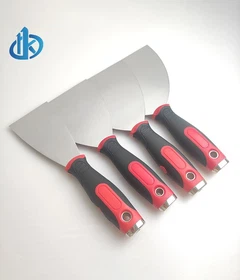
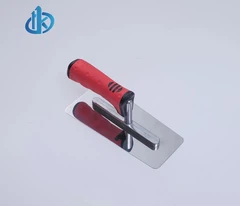
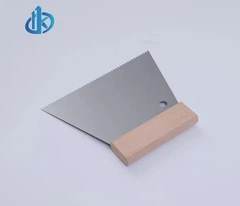
In the industrial and construction fields, the scraper also plays an important role. When construction workers apply wall putty, the scraper is used to evenly spread the putty on the wall, ensuring the flatness of the wall and laying a good foundation for the subsequent painting work.
In the automotive repair industry, maintenance personnel use scrapers to clean impurities such as rust and old paint on the surface of automotive parts, facilitating subsequent repair and painting work.
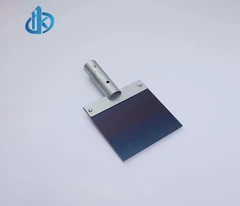
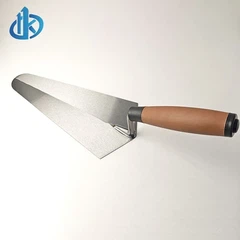
It is understood that there are a wide variety of scrapers on the market, with materials including plastic, metal, rubber, etc. Scrapers of different materials are suitable for different scenarios. When consumers choose a scraper, they should make a selection according to specific uses and needs.
For example, plastic scrapers are softer in texture and are suitable for cleaning more fragile surfaces such as glass and ceramics; metal scrapers are more robust and can be used to deal with stubborn stains and hard materials.
As people's requirements for quality of life and work efficiency continue to increase, the scraper, with its diverse uses, will play an even more important role in various fields, bringing more convenience to people's lives and work.


