



Professional Hand Tools Manufacturer | Understanding Trowel Notching Direction
On construction sites, particularly during tile or stone installation, workers often raise a practical question-What direction do you notch a trowel? While it may seem minor, this detail directly affects adhesive distribution and bonding strength, making it an important issue in the industry.
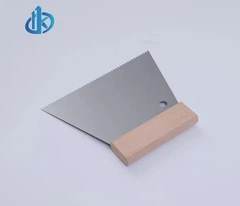
Experts recommend spreading adhesive in a consistent direction using a notched trowel. This ensures an even layer and prevents hollow spots. Random changes in direction can create gaps between the tile and adhesive, weakening the bond.
The proper direction also varies with materials. Large-format tiles are best handled with straight, uniform strokes for even coverage, while smaller or irregular materials may require cross-directional notching to improve localized adhesion.

Market feedback highlights regional differences. In Europe and North America, training programs set strict guidelines for trowel direction, requiring standardized practices. In Asian markets, however, contractors rely more on personal experience, adjusting flexibly to on-site conditions.
This leaves workers often asking the same question: What direction do you notch a trowel? There is no single answer. The key lies in balancing material type, substrate conditions, and environment to ensure the best possible results.
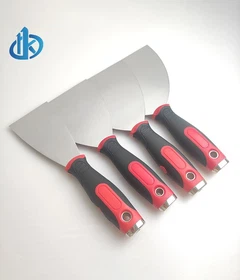
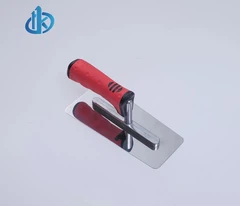
As a Chinese source factory, Hanke Tools Co., Ltd. has specialized in producing trowels and scrapers for over three decades. With consistent craftsmanship and international standards, the company provides dependable tools, serving as a trusted partner for construction teams worldwide.


