




Construction Update | Insights into Tile Installation
In recent jobsite discussions, contractors and distributors have been paying close attention to one key question: "What direction do you trowel a thinset?". This seemingly simple detail has a direct impact on tile adhesion and overall installation quality, making it a hot topic in the B2B market.
Experts explain that the direction of troweling thinset plays a critical role in bonding strength. Applying mortar in consistent grooves ensures proper contact between the tile and substrate, reducing the risk of hollow spots or detachment. Random or inconsistent strokes, however, can result in uneven coverage and unstable quality.
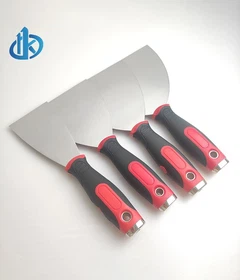
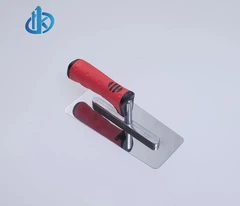
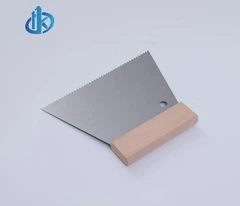
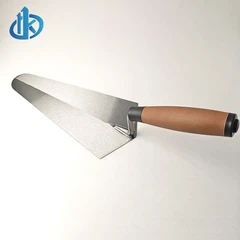
Linyi Hanke Tools Co., Ltd., a leading Chinese manufacturer, has specialized in high-quality trowels for over 30 years. Their square and V-notch trowels, crafted with mirror-polished stainless steel blades and ergonomic handles, not only boost efficiency but also deliver greater precision for professional installers.

Market research shows that with the rising use of large-format tiles and growing demand for precision work, reliance on proper trowels is increasing among contractors. Many B2B buyers report that choosing the right trowel and mastering correct application techniques are key to improving project quality and reducing rework.
Answering the recurring question-"What direction do you trowel a thinset?"-Hanke Tools' technicians recommend combing mortar in one consistent direction. This allows air to escape along the grooves when tiles are pressed down, ensuring even coverage and a stronger bond.
Industry professionals agree that as construction standards rise, small tools like trowels will become even more significant in the B2B market. For wholesalers and contractors, working with experienced manufacturers such as Hanke Tools offers stronger supply chain stability and greater competitiveness.


