


Understanding the Appearance of Scrapers
【Linyi Report】Recently, "What does a scraper look like?" has become a popular question among construction teams and individual users, reflecting growing attention to the appearance and structural design of scrapers. In wall treatment, plastering, and surface leveling, the scraper's design directly affects comfort and operational effectiveness.
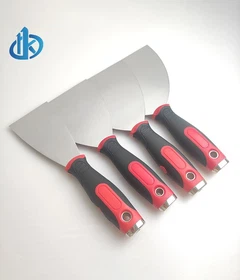
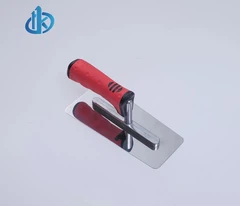
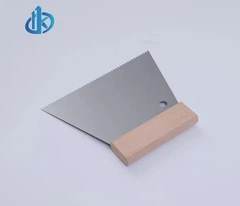
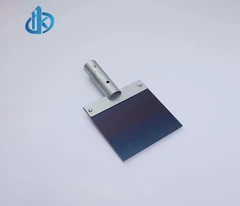
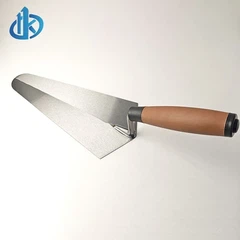
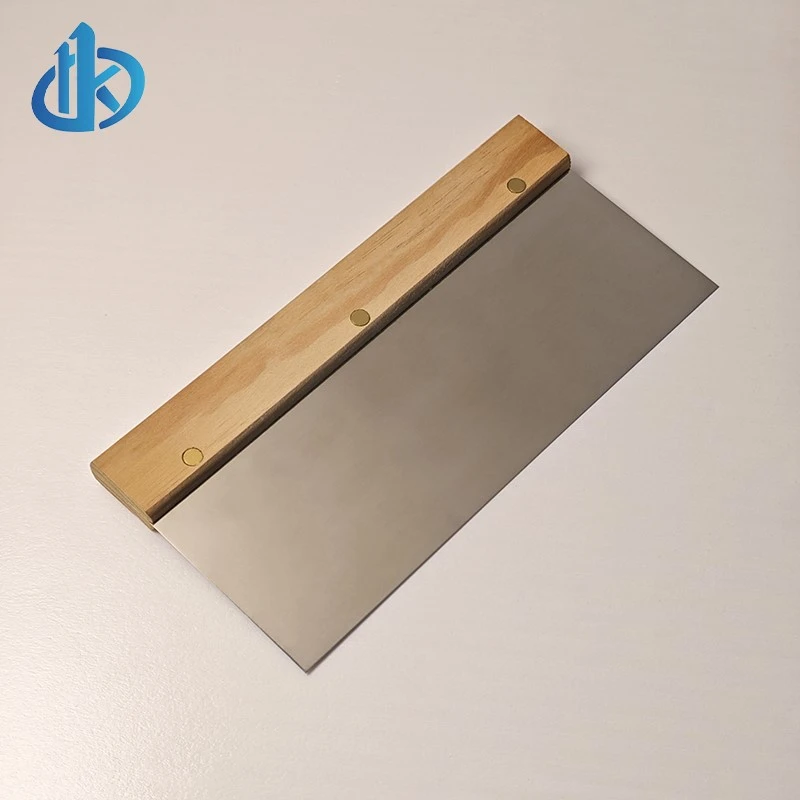
Scrapers typically consist of a blade and a handle. The blade is commonly made of stainless steel to ensure corrosion resistance and durability, while maintaining a smooth surface and polished edges. Handles are ergonomically designed, often using rubber, plastic, or wood, to provide good grip and stable operation. The overall proportions and dimensions of the scraper influence flexibility and usability.
Regarding length, width, and thickness, different scraper types have unique characteristics. Short blades allow precise work in small areas, while long blades suit large surface applications. Blade thickness determines rigidity and flexibility, while handle length and shape affect evenness of force and comfort during use.

Hanke Tools, based in Linyi, leverages over twenty years of manufacturing and export experience to optimize the coordination of blades and handles in scraper design. Products emphasize not only aesthetic appeal but also operational experience and durability, and support OEM customization to meet specific client requirements worldwide.
For "What does a scraper look like?", industry experts emphasize that high-quality scrapers combine craftsmanship and functional design. Smooth blades and comfortable handles are essential factors in achieving efficient and high-quality work.
In conclusion, understanding the appearance and structural design of scrapers helps construction personnel select the right tools for their project needs. Proper selection enhances efficiency, reduces operational fatigue, and extends the tool's service life.


