
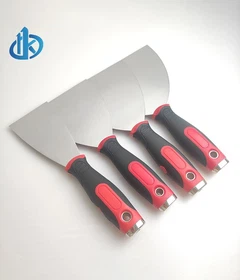
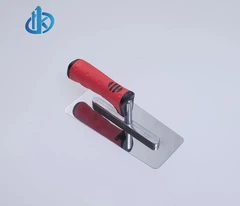
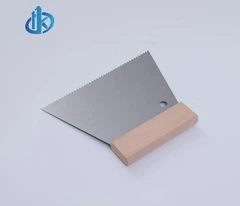


Oh man, let me tell you-using the wrong notched trowel isn't just a "minor hassle"-it's the kind of mistake that'll make you stare at your project at 10 PM going, "Why did I skip checking this?" I've been there more times than I want to admit, and each time, the mess was avoidable. Let's break down all the things that can go wrong, 'cause knowing the pitfalls might save you from tearing up tiles (and your hair) later.
First up: Using a trowel that's too small for your tiles. This is the mistake I made most when I was starting out-grabbing a tiny V-notch 'cause it was easy to handle, even for big floor tiles. The first issue? Not enough mortar. Big tiles (like 12x24 or 16x16) need those thick, even ridges to stick and stay level. A small trowel can't hold enough mortar, so when you press the tile down, there's gaps between the tile and the subfloor. I laid a 16x16 travertine floor once with a 1/4-inch V-notch (way too small!)-by the end of the day, half the tiles were wobbling like a loose tooth. I had to peel 'em up, scrape off the sad little mortar bits, and start over with a 1/2-inch square notch. Total waste of 4 hours-and my back was killing me.
Worse than wobbling? Tiles that pop off later. If there's not enough mortar, the bond between the tile and surface weakens over time-especially with floor tiles that get stepped on, or wall tiles holding their own weight. I had a client who used a small trowel for their shower wall tiles (12x12 ceramics)-three months later, two tiles fell off while they were showering. Lucky no one got hurt, but they had to fix water damage behind the wall too. Turns out the tiny trowel left bare spots on the tile backs, and the moisture loosened what little mortar there was. Not fun.
Now the flip side: Using a trowel that's too big for small or thin tiles. This one's messy-like, "mortar on your shirt, pants, and even the ceiling if you're not careful" messy. Let's say you're laying 3x6 subway tiles or 2x2 mosaics with a 1/2-inch square notch. That trowel holds way more mortar than those tiny tiles need, so when you press 'em down, goop oozes out every grout line. I did a kitchen backsplash with 2x6 subway tiles once, used a 3/8-inch square notch (too big!), and spent an hour scraping mortar out of the 1/8-inch grout lines with a toothpick. By the end, my fingers were covered in dried mortar, and the tiles looked uneven 'cause some had extra goop squished under 'em. Oh, and thin tiles like glass? A big trowel can crack 'em-too much mortar pushes against the delicate surface, and next thing you know, you've got a spiderweb of cracks. I broke three glass mosaic tiles that way once-total rookie move.
Another problem with a too-big trowel: Wavy surfaces. Thin tiles (like 1/4-inch glass or small ceramics) can't handle thick mortar-they'll sink into the excess goop in some spots and sit high in others. I did a bathroom backsplash with 4x4 ceramic mosaics using a 1/4x3/8-inch square notch (too big!)-when it dried, the whole backsplash looked like a rollercoaster. The client hated it, and I had to redo the whole thing. Lesson learned: Small tiles need small mortar beds-no exceptions.
And let's not forget the hidden issue: Waste. Using the wrong trowel means you'll either waste mortar (scraping off excess from a too-big trowel) or waste tiles (breaking 'em from too much pressure, or reusing wobbling ones that won't stick). I once wasted a whole bag of mortar on a backsplash 'cause I used a too-big trowel-scraped off more than I actually used. Mortar ain't cheap, and neither are tiles-why throw money away 'cause you didn't spend 30 seconds checking the tile box?
The worst part? Most of these problems don't show up right away. You might finish the project, think "it looks fine!", then a month later notice tiles are loose, or grout lines are cracking (from uneven pressure). I had a hallway floor I laid with the wrong trowel-looked great for two weeks, then started creaking every time I walked on it. Turned out the mortar gaps were letting the tiles shift. Had to pull up three rows and re-do 'em.
Here's the thing: None of this has to happen. Just match the trowel to the tile's size and thickness (like we talked about before!), do a quick test patch (peel up a tile-80-90% mortar coverage means you're good), and you'll avoid all this hassle. I've made the mistakes so you don't have to-trust me, the 2 minutes it takes to pick the right trowel is way better than the hours you'll spend fixing the mess if you get it wrong.


