





The Versatile Uses of a Brick Trowel: The Trusted Assistant of Construction Craftsmen
In the modern construction industry, the brick trowel (Brick Trowel) plays an indispensable role as a classic and essential tool. Whether constructing towering skyscrapers or laying garden pathways, the brick trowel is like a "magic wand" in the hands of construction craftsmen, precisely assembling bricks into sturdy structures. So, what exactly are the uses of a brick trowel? Why has it remained a timeless tool in the construction field? Let's take a closer look.
Core Function: Precision Bricklaying
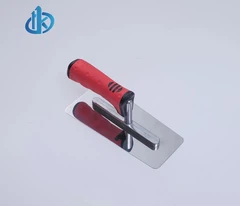
The most well-known use of a brick trowel is for bricklaying. Its uniquely designed blade, typically trapezoidal or rectangular with slightly curved edges, allows for easy scooping and even spreading of mortar onto bricks. Through skillful manipulation of the trowel, craftsmen ensure that each brick fits snugly, creating solid walls. Whether working with traditional red bricks or modern concrete blocks, the brick trowel is up to the task.
Versatile Applications: More Than Just Bricklaying
Beyond bricklaying, the brick trowel has many other uses on construction sites. For example, it can be used to clean excess mortar from brick surfaces, ensuring a neat and aesthetically pleasing finish. When laying floor tiles, the trowel helps adjust the position of tiles for proper alignment. Additionally, it is often used for repair work, such as filling cracks in walls or fixing damaged brick structures.

Historical and Cultural Significance
The history of the brick trowel dates back to ancient Roman times, when craftsmen used similar tools to construct magnificent buildings. Today, the brick trowel is not just a construction tool but also a cultural symbol, representing craftsmanship and theinheritance of skills. In many countries, the brick trowel is even used as an emblem of the construction industry, symbolizing the pursuit of quality and precision.
Future Prospects: Innovation and Development
With the continuous advancement of construction technology, the brick trowel is also evolving. Some manufacturers are beginning to combine lightweight materials with ergonomic designs to create products that better meet the needs of modern craftsmen. Furthermore, the rise of smart tools offers new possibilities for the future of the brick trowel, such as integrated measurement functions or automated mortar application technologies.
Conclusion
As a classic tool in the construction industry, the importance of the brick trowel cannot be overstated. It not only helps craftsmen efficiently complete bricklaying tasks but also carries a rich history and cultural significance. In the future, as technology progresses, the brick trowel will continue to evolve, but its core value-providing precision and stability to construction-will remain unchanged. Whether for professional builders or amateur enthusiasts, the brick trowel is a trustworthy companion, helping to build dream homes one brick at a time.


