
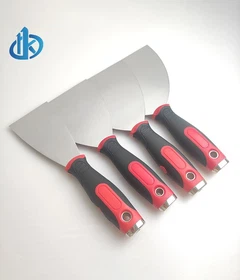
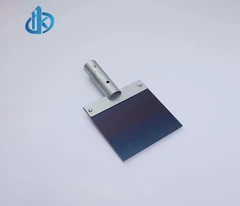

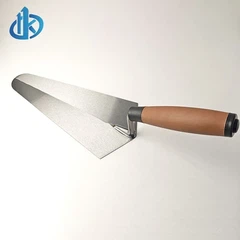

If painting walls is like baking a cake, then a finishing knife is the spatula that smooths the frosting-making everything look polished enough to Instagram. This unsung hero of DIY and professional decorating is all about precision, turning rough, uneven surfaces into something that looks like it was done by a pro.
Picture this: you've just filled a hole with spackle or plaster. It's lumpy, it's proud, and it's screaming, "Fix me!" Enter the finishing knife. With its thin, flexible blade-usually wider than a putty knife-it glides over the wet material, 刮 ing away excess with the grace of a figure skater. It's not just about removing goop, though; it's about feathering the edges, blending the repair into the surrounding wall so seamlessly that even your neighbor (the one who judges your DIY skills) won't notice.
But wait, there's more! Finishing knives are also stars when it comes to applying joint compound between drywall panels. Ever wondered how walls get that buttery-smooth finish? Blame (or thank) this tool. It spreads the compound evenly, presses it into gaps, and then smooths it out so the tape adheres perfectly-no bubbles, no lumps, just a surface ready for sanding and painting.
Think of it as the final editor of the wall world. While other tools rough things in, the finishing knife comes in to refine, to perfect, to make sure every imperfection is erased. It's the difference between a "meh" paint job and one that makes you do a double-take and think, "Did I hire a professional?" Spoiler: no, you just used the right knife.
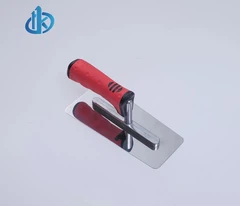
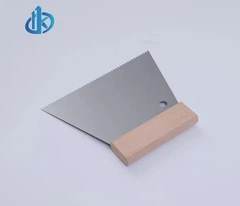
Products of hanke tool


