


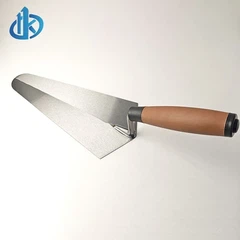


What Is a Plaster Trowel Called?
Recently, the question "What is a plaster trowel called?" has become a frequently searched term among international users, reflecting growing interest in professional terminology and application scenarios for plastering tools. In response to this trend, Linyi Hanke Tools Co., Ltd. (Hanke Tools)-with nearly thirty years of manufacturing and export experience-offers insight into the naming conventions and uses of this tool based on product positioning and feedback from global markets.
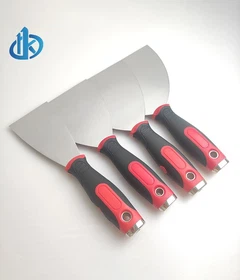
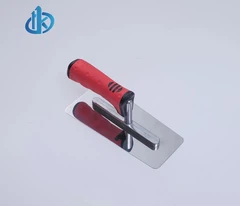
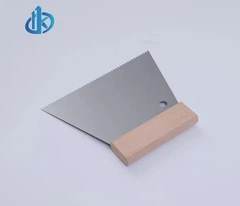
In the construction and interior finishing industry, a plaster trowel is commonly referred to in Chinese as "抹灰刀" or "批灰刀." It is primarily used for applying mortar, leveling walls, and preparing ceiling surfaces. In different countries or regions, the same tool may also be known as a "float trowel," "mortar trowel," or other similar terms. While the names vary, the core function remains the same: to achieve flat, even surfaces and consistent coating layers during plastering work.

According to Hanke Tools, a high-quality plaster trowel should feature:
High blade hardness and straightness: Ensures even material distribution and reduces visible marks.
Durable, corrosion-resistant materials: Stainless steel or carbon steel blades are better suited to diverse job-site conditions.
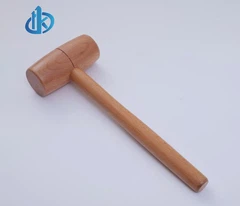
Comfortable handle design: Wooden or rubberized anti-slip handles help reduce hand fatigue during extended use.
Hanke Tools' plastering trowel series is exported to more than 30 countries and regions, including Europe, the Middle East, and Southeast Asia. With consistent quality standards and a wide range of specifications, these tools are trusted by professional contractors and DIY users alike.
For more product details or customized options, please visit the official Linyi Hanke Tools website or contact an authorized distributor.
-Different names, same purpose: a quality tool makes plastering faster and more efficient.


