
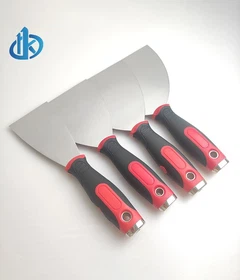
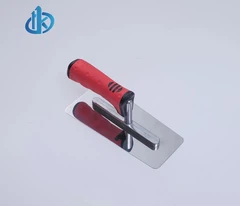
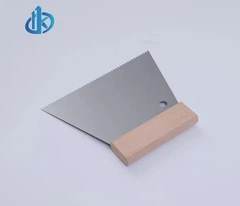
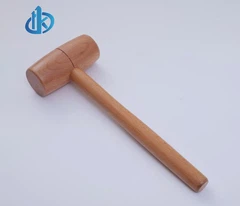
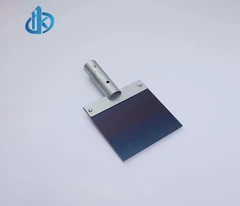

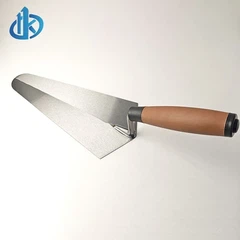

A wooden handle putty knife is a versatile hand tool that combines a flat, flexible blade with a wooden grip, making it a staple in various industries and DIY projects. This tool is designed to efficiently apply, spread, and smooth putty, as well as scrape away unwanted materials from surfaces.
Blade and Handle Structure
The blade of a wooden handle putty knife is typically made from high - quality carbon steel or stainless steel. Carbon steel blades offer excellent strength and durability, ideal for heavy - duty scraping tasks such as removing old paint, adhesive, or dried putty. Stainless steel blades, on the other hand, are highly resistant to rust and corrosion, making them suitable for use in humid environments or when working with materials that may cause oxidation. The blade is thin and flexible to a certain extent, allowing it to conform to uneven surfaces during putty application or scraping. This flexibility ensures a smooth and even finish, whether you're working on a wall, a piece of furniture, or a window frame.
The wooden handle is a key feature of this tool. It is usually crafted from hardwoods like oak, beech, or ash, chosen for their strength and resistance to wear. Wood provides a natural and comfortable grip, reducing hand fatigue during extended use. The handle is often shaped ergonomically, with a contoured design that fits the hand well. This not only enhances comfort but also gives the user better control over the tool, especially when applying pressure during scraping or prying operations. The handle is securely attached to the blade, typically using rivets or bolts, ensuring a stable connection that can withstand the forces exerted during use.
Sizes and Applications
Wooden handle putty knives come in a range of sizes, with blade widths typically varying from 1 inch (25 mm) to 6 inches (150 mm). Smaller putty knives, with blades around 1 - 2 inches, are perfect for detailed work. For example, they can be used to fill small cracks in walls, apply putty in tight corners, or perform delicate touch - ups on furniture. Medium - sized blades, around 3 - 4 inches, are more versatile and are commonly used for general putty application on larger surfaces. They are suitable for tasks such as applying putty to drywall before sanding or filling gaps in window frames. Larger putty knives, with blades 5 - 6 inches wide, are designed for covering large areas quickly. They are often used in construction projects for applying a base layer of putty on walls or for scraping off large sections of old wallpaper or paint.
In the construction and renovation industry, wooden handle putty knives are used for multiple purposes. They are essential for applying glazing putty to seal window panes, ensuring a watertight and airtight fit. They are also used to scrape off old mortar, dried paint, or other debris from surfaces before painting or tiling. In woodworking, these putty knives are used to apply wood filler to holes or cracks in wooden surfaces, and then smooth it out for a seamless finish. DIY enthusiasts often use them for home improvement projects, such as patching drywall, removing stickers or labels, or scraping off excess caulk from various surfaces.
Overall, the wooden handle putty knife is a reliable and multifunctional tool that has been a favorite among professionals and hobbyists alike for its functionality, comfort, and durability.


