
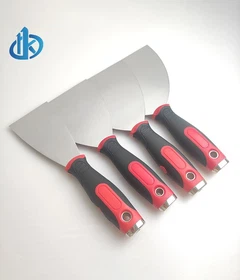
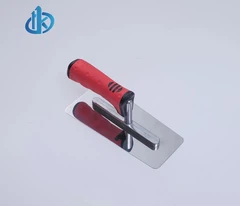
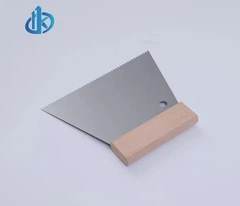
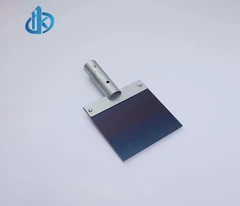

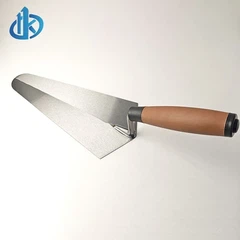

A filling knife, an indispensable hand tool in the realm of construction and DIY projects, serves a multitude of purposes. Its versatility makes it a go - to choice for both professionals and hobbyists.
One of the primary applications of a filling knife is in surface repair. When cracks, holes, or dents mar walls, ceilings, or wooden furniture, the filling knife comes into play. It adeptly scoops up spackle, putty, or joint compound and applies these materials precisely into the damaged areas. The knife's flexible blade conforms to irregular surfaces, ensuring a smooth and even fill. After application, the flat edge is used to scrape off excess filler, leaving a seamless finish ready for sanding and painting.
In painting projects, filling knives are crucial for surface preparation. They help remove old, peeling paint, wallpaper, and other residues from surfaces. By leveraging the sharp edge of the blade, users can carefully scrape away layers, ensuring a clean base for new paint or wallpaper installation. Additionally, the knife can be used to apply primer or sealant evenly, enhancing paint adhesion and the overall durability of the finish.
Filling knives also excel in adhesive - related tasks. Whether it's spreading glue for tile installation, applying adhesive for laminate flooring, or bonding pieces of wood, the knife provides controlled and consistent distribution. Its flat surface allows for even spreading, preventing excess adhesive from oozing out and creating a messy or uneven bond.
Moreover, in minor woodworking projects, the filling knife can be used to apply wood filler to scratches or gouges, and then level the surface for a polished look. From home renovations to small - scale craft projects, the filling knife's diverse functions make it an essential asset that simplifies numerous tasks and contributes to professional - quality results.


