
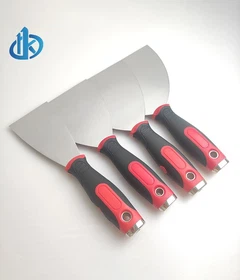
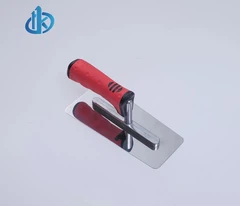
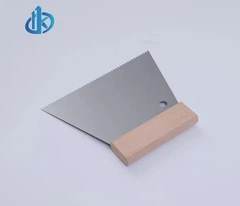


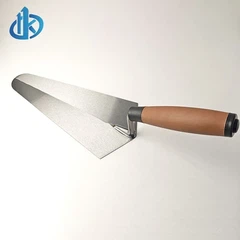

Great question! Wood filler's a bit different from wall filler-it's thicker, sometimes stickier, and you need a knife that can handle it without leaving streaks. From what I've tried, the best ones are medium-sized (3 to 4 inches) with a slightly flexible blade. Let me tell you why.
First, size: A 3 or 4-inch blade is perfect for wood-big enough to cover small to medium holes (like from a loose screw or a chipped corner) but small enough to get into tight spots, like around a wooden cabinet handle. I tried a 6-inch knife once for a tiny chip on my bookshelf, and I ended up spreading filler all over the wood grain. Total mess.
Then, flexibility: You don't want a blade that's too stiff-wood has little grooves and grain, and a flexible blade can follow those curves to get filler into every nook. But it shouldn't be so bendy that it bends under pressure, either. Look for a knife with a stainless steel blade-they're durable, don't rust, and have just the right amount of give.
Oh, and the handle matters too! A rubber or soft-grip handle is way more comfortable than plastic, especially if you're working on a big project (like filling multiple holes in a wooden table). I have a 4-inch stainless steel filling knife with a rubber handle that I use only for wood filler-it's been my go-to for years. Avoid super cheap knives here-they'll bend or rust fast, and you'll end up buying a new one in a month. Spend a little extra, and it'll last.


