


Ask a room full of drywall pros this question, and you'll get a chorus of opinions-but here's the truth: it's not about one "perfect" knife. It's about the one that dances with your hand, turns tape and mud into a seamless hug for seams, and makes the tedious work feel almost… satisfying. Let me pull back the curtain.
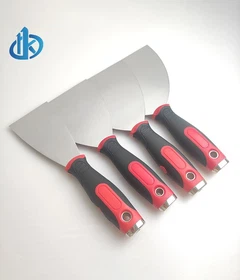
First, size matters-but not in the way you might think. Forget the giant 14-inch monsters for taping; they're too clunky, like trying to thread a needle with a shovel. No, taping is a detail job, so you want something nimble. Most pros reach for a 4-inch or 6-inch knife first. Why? Those smaller blades can snuggle into corners, cradle the tape against the wall, and press it into place without squishing mud everywhere like a toddler with playdough.
But wait-there's a twist. When you're moving from tight corners to long, straight seams, an 8-inch knife might sneak into your tool belt. It's like switching from a paintbrush to a roller-still precise, but covers more ground without leaving those annoying little gaps. Think of it as the middle child: not too small, not too big, just right for the in-between spots.
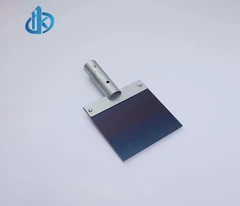
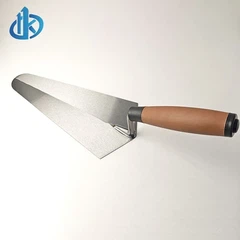
Material is the next secret sauce. High-carbon steel is the rockstar here. It holds an edge like a cat holds a grudge-sharp enough to slice through tape without tugging, but flexible enough to bend ever so slightly when you press it against the wall. Stainless steel? Nice for avoiding rust, but it's stiffer, like trying to dance in concrete boots. You want that little give in the blade, that way it conforms to the wall's tiny imperfections instead of fighting them.
Then there's the handle. Ever tried writing an essay with a pencil that's too short? Same vibe. A good taping knife has a handle that fits your grip-rubberized or wooden, long enough to wrap your fingers around, but not so bulky it feels like holding a baseball bat. It should balance in your hand, so when you lean into a seam, the weight shifts naturally, like an extension of your arm.
Let me paint a picture: You're taping a ceiling seam, neck craned, mud dripping slightly (don't worry, we've all been there). A 6-inch high-carbon steel knife in hand, you press the tape into place, then drag the blade along the top, angling it just 10 degrees. The mud oozes gently from the sides, not a glob in sight. The blade flexes where the drywall dips, the handle steady in your grip. That's the "best" knife-not because it's expensive, but because it disappears in your hand, letting you focus on the work.
Sure, some swear by brand names, but here's the real test: Does it make taping feel less like a chore and more like a craft? Does it clean up easy after a long day? Can it survive being dropped (again) on concrete? If yes, then you've found your winner.
So skip the fancy marketing. Grab a few sizes, feel their weight, flex the blades. The best taping knife is the one that makes you go, "Oh, this is how it's done." Trust me-your walls (and your hands) will thank you.
Our Products


