
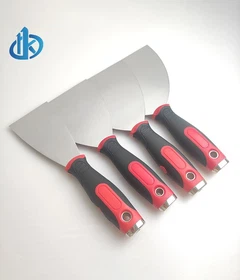
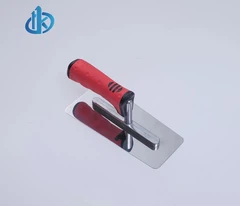
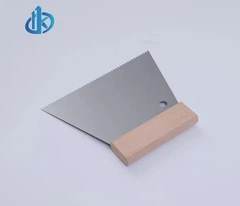
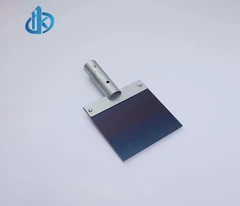


The best tool for scraping peeling paint depends on the surface and the paint's stubbornness, but there's a clear MVP: a carbide-tipped scraper. These bad boys have blades embedded with tiny carbide particles, which stay sharp longer than steel and slice through even the thickest, gummiest paint like it's soft cheese. They're perfect for large, flat surfaces like walls or doors-hold the scraper at a 30-degree angle, push gently, and watch the peeling paint curl away in satisfying strips.
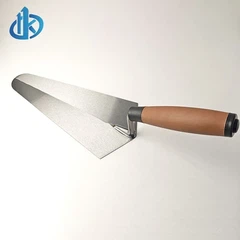
For tight spots-like window sills, trim corners, or intricate woodwork-a putty knife with a sharp, flexible blade works wonders. Its narrow size lets you get into crevices where a larger scraper can't reach, and the flexibility helps you follow the contour of the wood without gouging. Just be sure to keep the blade sharp-dull ones will tear the paint instead of lifting it.
If you're dealing with decades of layered paint (think 100-year-old house), pair your scraper with a heat gun. Heat softens the paint, making it bubble up and release from the surface, so the scraper does half the work. Hold the heat gun 2–3 inches from the paint, move it slowly, and once the paint bubbles, hit it with the scraper-easy peasy.
Avoid wire brushes for most jobs-they can scratch wood or leave rust marks on metal. And steer clear of cheap plastic scrapers-they bend too easily and break under pressure. Invest in a good carbide scraper for big jobs and a sharp putty knife for details, and you'll make quick work of peeling paint.
Our Products


